Cavoodle Dog Breed: The Adorable Family Dog With One Big Catch
Cavoodles look like teddy bears, but behind those curls is an intelligent, social dog with real exercise, grooming and training needs. Is one right for you?
Few dogs have captured hearts quite like the Cavoodle.
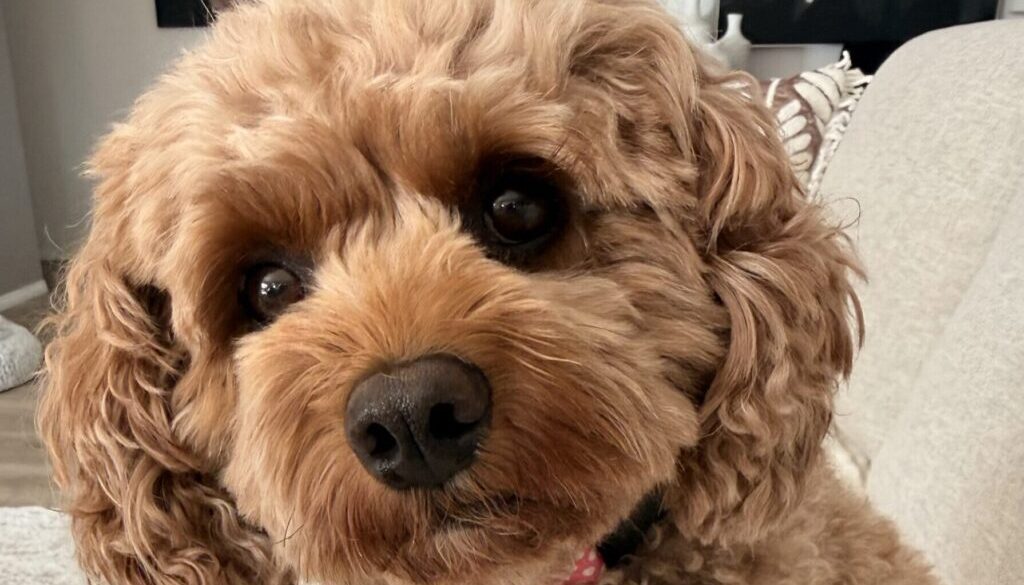
With the expressive eyes of a Cavalier King Charles Spaniel and the curly coat and intelligence associated with the Poodle, Cavoodles have become one of Australia’s most popular companion crossbreeds.
They’re small. They’re affectionate. They’re often eager to learn.
And yes—many are irresistibly cute.
But there’s an important point prospective owners should understand:
A Cavoodle is not automatically an easy-care, low-maintenance dog just because it’s small.
This Cavalier King Charles Spaniel–Poodle cross can be highly social, clever and energetic. Grooming can be substantial, separation-related problems can develop, and inherited health risks from either parent breed deserve serious consideration.
So, are Cavoodles good pets?
Let’s look at the pros, cons, temperament, grooming, exercise, training, health considerations and practical costs of sharing your home with one.
What is a Cavoodle?
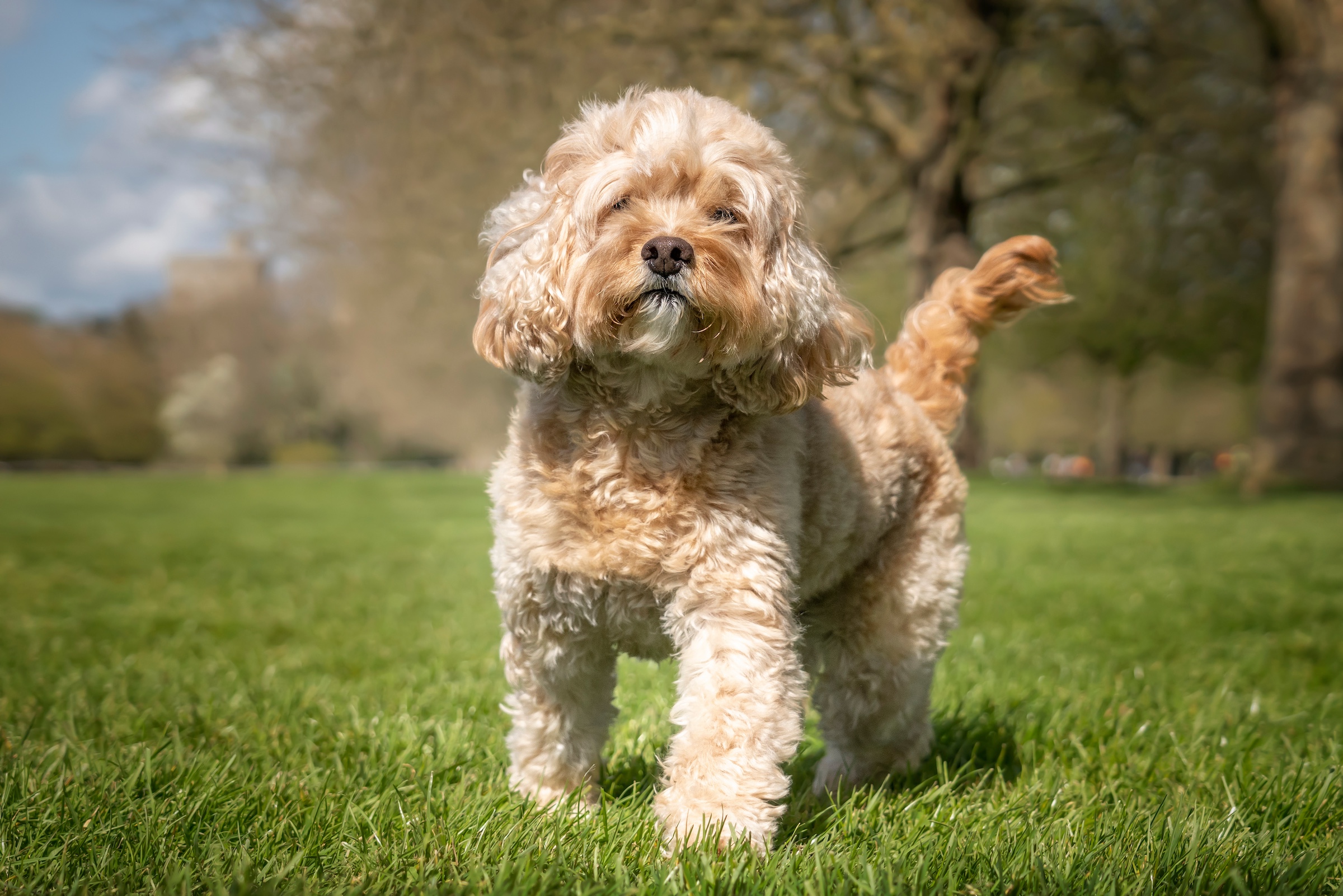
Regular walks will make your cavoodle very happy.
A Cavoodle, also known as a Cavapoo, is a cross between a Cavalier King Charles Spaniel and a Poodle.
Depending on the parents, Cavoodles can vary considerably in:
- Size
- Coat texture
- Coat colour
- Energy level
- Personality
- Shedding
- Trainability
This variation is important.
A crossbreed isn’t a guaranteed 50/50 combination of its parents’ characteristics.
One Cavoodle may inherit a relatively low-shedding curly coat, while another may have a more Cavalier-like coat.
Similarly, temperament can vary between individual dogs.
Petstock notes that Cavoodles tend to be affectionate and people-focused, while also highlighting issues such as dental disease, luxating patella and separation-related problems that owners should consider
Cavoodle at a glance
| CHARACTERISTICS | WHAT TO EXPECT |
|---|---|
| Type | Cavalier King Charles Spaniel × Poodle cross |
| Size | Small; varies with Poodle parent |
| Temperament | Generally affectionate, social and intelligent |
| Energy | Moderate to moderately high |
| Exercise | Daily walks, play and mental stimulation |
| Grooming | Moderate to high |
| Shedding | Highly variable |
| Training | Often responsive to positive reinforcement |
| Social needs | High |
| Best suited to | Families, couples and individuals wanting an involved companion |
Remember that individual dogs can differ considerably.
One of the most important principles of responsible ownership is choosing a dog whose physical, behavioural and social needs fit your lifestyle. The RSPCA recommends researching the particular breed or crossbreed thoroughly before bringing a pet home.
Why are Cavoodles so popular?
It’s easy to understand the appeal.
Cavoodles are often:
- Affectionate.
- People-focused.
- Intelligent.
- Playful.
- Small enough to manage easily in many homes.
They can also be incredibly entertaining.
A Cavoodle may happily follow you from room to room, curl up beside you on the sofa and then suddenly launch into a five-minute backyard zoomie.
That combination of companionship and playfulness is a big part of the breed’s popularity.
But it also creates one of the biggest challenges.
Your Cavoodle may want to be involved in absolutely everything you do.
Cavoodle health: questions every buyer should ask
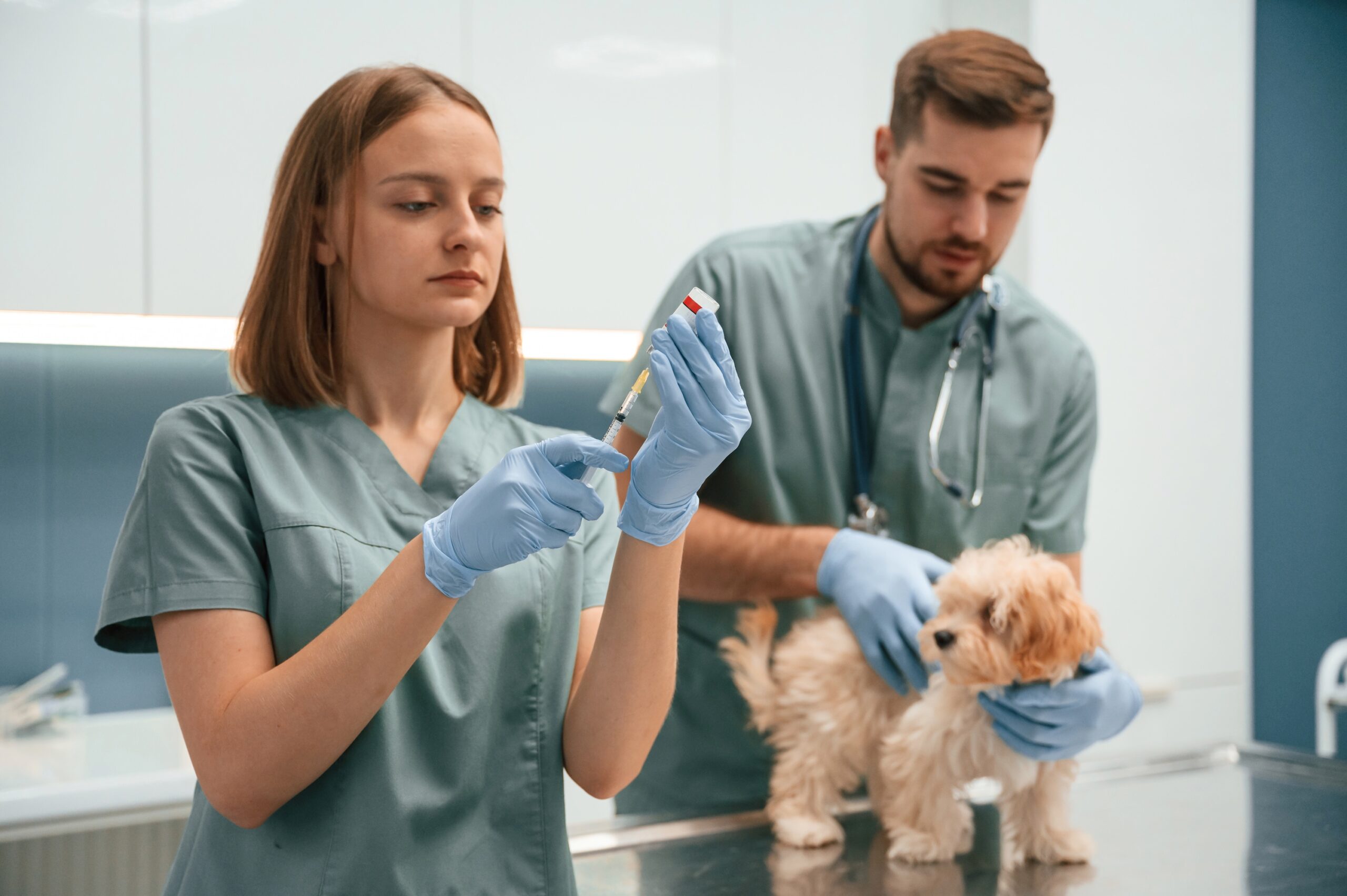
The Cavalier King Charles Spaniel parent deserves particular attention because the breed has recognised inherited health concerns, including heart disease.
RSPCA Australia specifically notes mitral valve disease as an inherited disease concern in Cavalier King Charles Spaniels.
Potential owners should therefore ask breeders about the health history and screening of both parents.
Don’t accept vague claims such as:
“They’re healthy.”
Ask for evidence.
Depending on the parents and breeding program, ask about appropriate screening for:
- Heart disease
- Eye conditions
- Patellar luxation
- Hip problems
- Relevant inherited disorders
- Breed-specific DNA conditions
In Australia, the ANKC ORCHID Canine Health Database provides access to recorded health results and information on screening schemes.
A responsible breeder should be able to explain the testing performed on the parents.
How to choose a responsible Cavoodle breeder
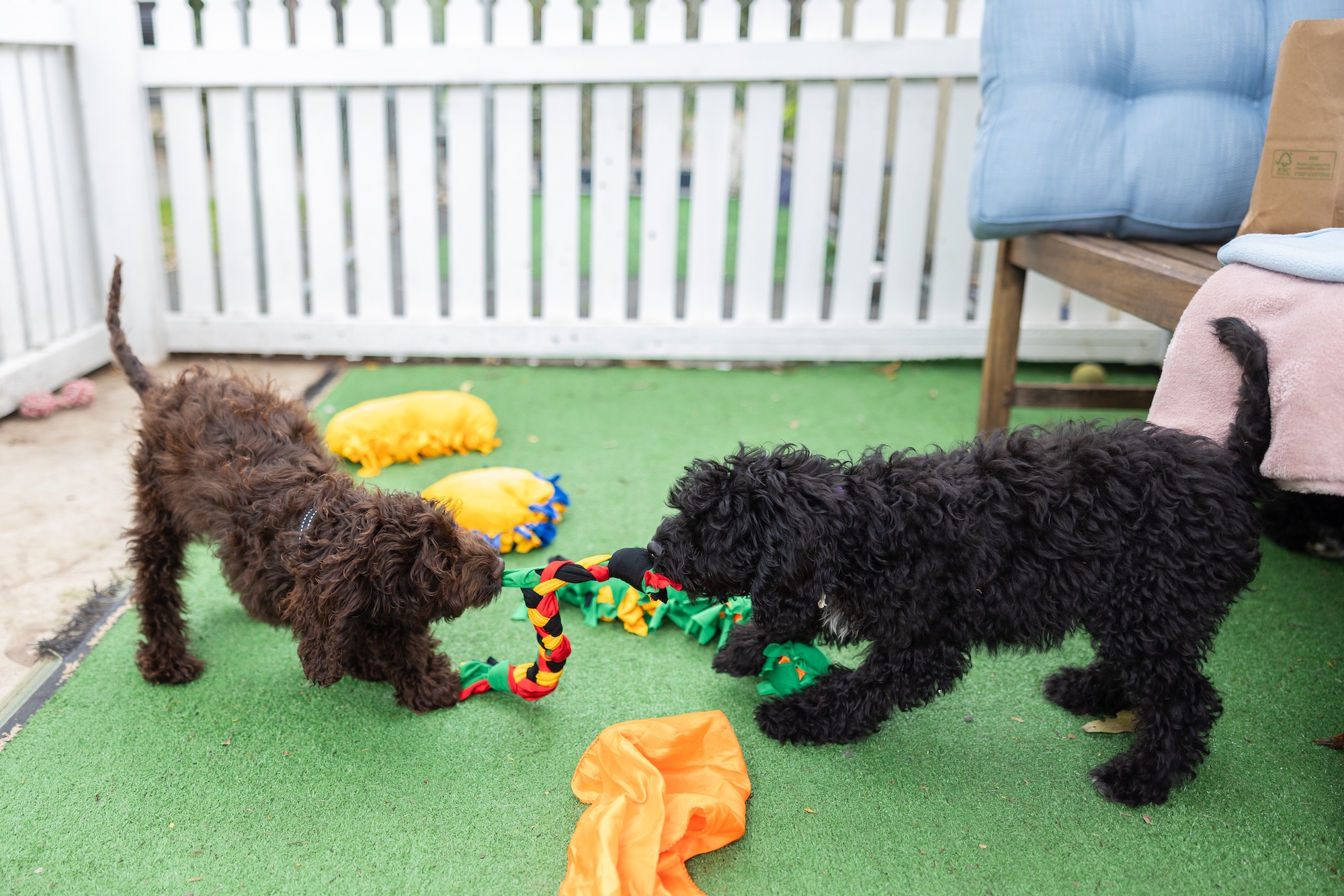
These dogs are very social – they love to play with you or other dogs.
Before paying a deposit, slow down. A cute puppy photo shouldn’t be enough for you to make a decision on. Because this is a popular type of dog (especially since COVID), there are more unscrupulous ‘breeders’ out there who are just in it to make money! Yes, it is sad but true…so ask the following questions:
- Can I meet the mother?
- You should see puppies interacting with their mother and check their living environment (not just where they are put for visits!).
- What health testing has been performed?
- Ask for actual documentation and also request the name of the vet they use.
- What health conditions have occurred in previous generations?
- They may not be aware of any at this stage so honesty matters. Check if any of the parents have any health issues.
- How are puppies socialised?
- Good early experiences can help puppies develop confidence. Being with their mother until at least 8 weeks of age is very important.
- Where are the puppies raised?
- A clean, enriched home environment is preferable to a setup focused purely on production or just used for ‘buyers’ to see puppies.
- Will you take the dog back if circumstances change?
- A responsible breeder should care about the dog’s lifetime welfare.
- The seller should also ask you questions?
- A good breeder should be interested in whether their puppies are going to suitable homes.
Don’t overlook Cavoodle rescue and adoption.
If you’re set on a Cavoodle, don’t assume a puppy is your only option. Adult Cavoodles sometimes need new homes through rescue organisations and shelters.
An adult dog can offer one major advantage – You already know who they are.
You may have a clearer idea of:
-
- Temperament
- Size
- Coat type
- Energy level
- Behaviour around children
- Behaviour around dogs
- Training history
- Grooming tolerance
If adopting, ask the rescue organisation for as much behavioural and veterinary history as possible.
And remember that rescue dogs may need time to decompress after arriving in their new home.
Cavoodle pros and cons at a glance
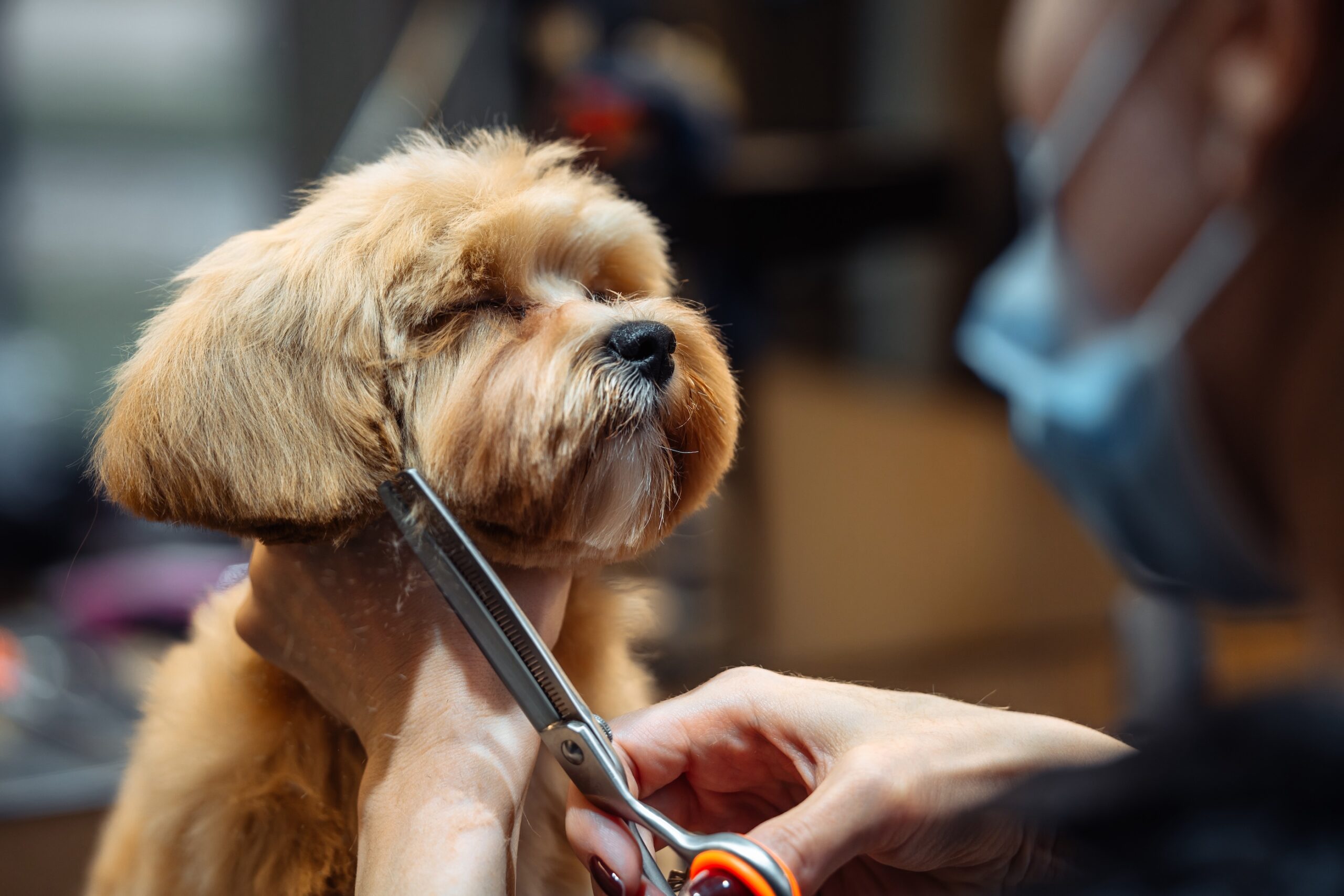
Professional grooming is an ongoing cost for new cavoodle owners to remember.
The pros
✔ Affectionate and people-focused
✔ Intelligent and trainable
✔ Small and adaptable
✔ Playful
✔ Often suitable for family life
✔ Can thrive with positive-reinforcement training
✔ Usually enjoys interactive activities
✔ Attractive coat with potentially lower shedding
✔ Can suit many different households
✔ Excellent companion for owners who enjoy close interaction
The cons
✘ Grooming can be demanding
✘ Coat type and shedding are unpredictable
✘ Can develop separation-related problems
✘ Dental care is particularly important
✘ Can become overweight
✘ May bark excessively without training
✘ Can be demanding of attention
✘ Health risks can be inherited from either parent
✘ “Hypoallergenic” claims should be treated cautiously
✘ Responsible breeding and health testing are essential
The verdict: should you get a Cavoodle?
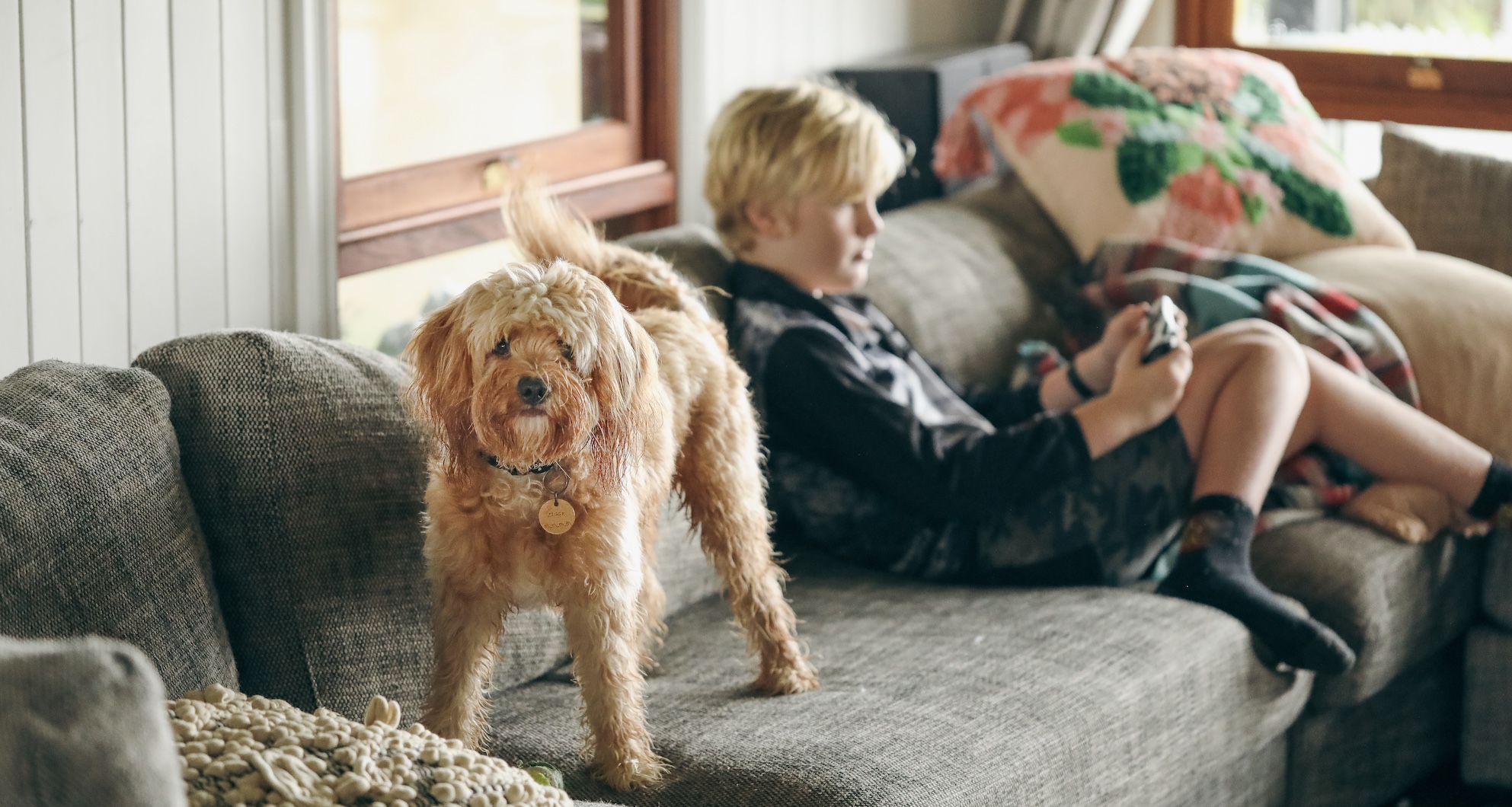
Cavoodles can make great companions for all ages.
The Cavoodle’s popularity isn’t difficult to understand.
-
-
- They’re affectionate.
- They’re clever.
- They’re cute.
- They’re playful.
- And they can make wonderful companions.
-
But the best Cavoodle owner isn’t the person who simply wants an adorable little dog.
It’s the person who understands what comes with the curls.
Training. Grooming. Dental care. Exercise. Socialisation. Companionship. Veterinary care.
Get those things right and your Cavoodle can become a fantastic member of the family.
Before you choose one, though, remember the most important rule:
Choose the dog that fits your lifestyle—not simply the dog you find cutest online.
That approach is better for you, better for your family and, most importantly, better for the dog.
Ready to become a more confident dog owner?
Bringing home a Cavoodle is only the beginning.
Successful dog ownership means understanding training, behaviour, health, grooming and first aid.
Visit VetPet Academy for practical pet education designed to help owners make informed decisions and build confidence.
You can also explore VetPet Academy’s doggy blog health resources for additional canine-care information.
Learn more. Prepare better. Give your Cavoodle the best possible start.