When Disaster Strikes, Seconds Matter: Is Your Dog’s Emergency Plan Ready?
The best time to prepare your dog for a disaster is before the warning siren, rising water, approaching fire or emergency call. Here’s how to build a plan that could save your dog’s life.
Imagine this.
Your phone screams with an emergency alert.
There’s a bushfire moving toward your neighbourhood. Or floodwater is rising. Perhaps a severe storm has damaged your home, the power has gone out and roads are becoming impassable.
You grab your keys.
You grab your phone.
You grab your dog.
But then you realise something…Where are your dog’s medications?…Where are the vaccination records?
Which hotels accept dogs?
Who can care for your dog if you are injured?
Do you have enough food and water?
And what happens if your dog bolts through an open door during the chaos?
A disaster is not the time to start answering these questions.
Preparation is what turns panic into a plan.
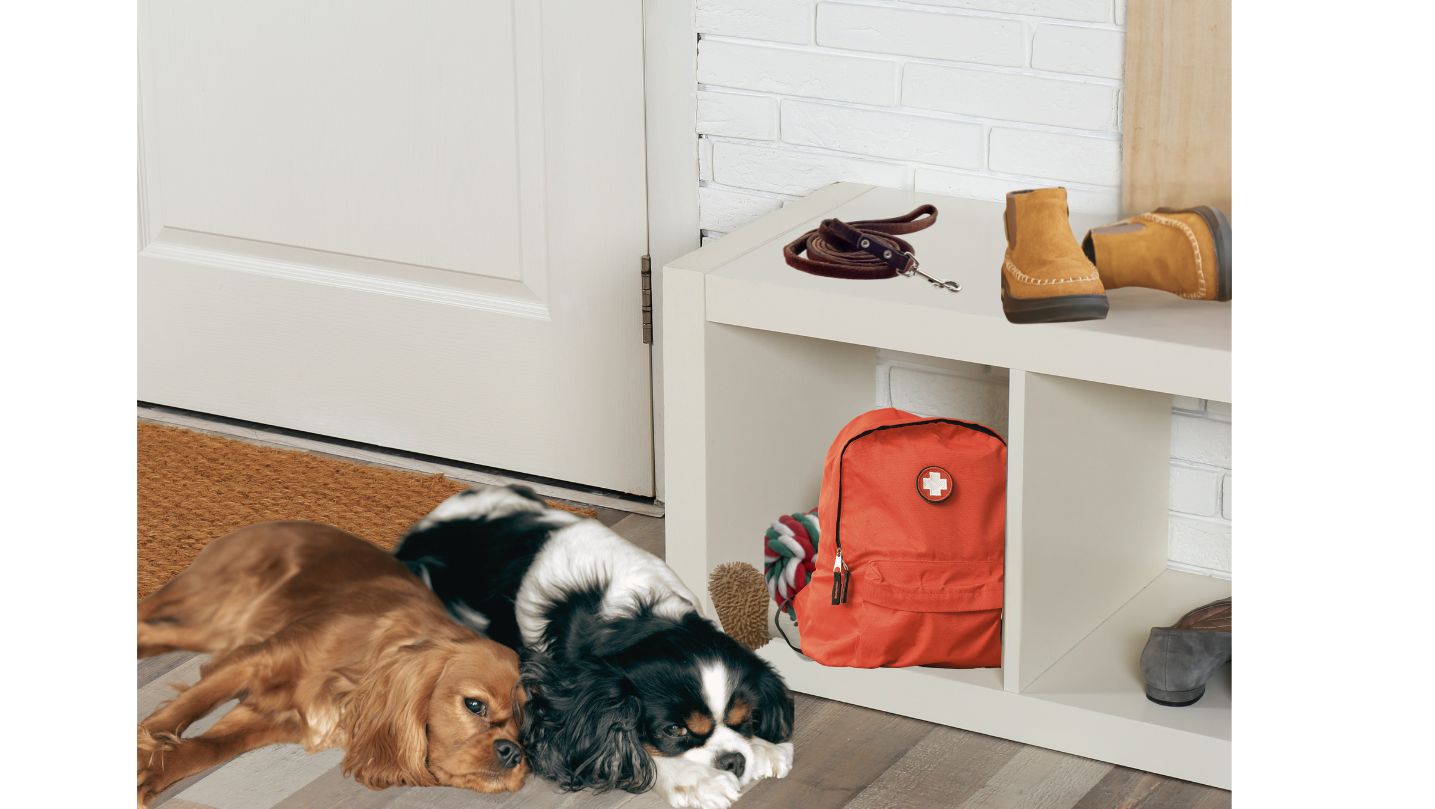
Keep your dogs emergency kit handy – you never know when you might need it in a hurry!
Why Every Dog Needs a Disaster Plan
Emergencies can happen anywhere — and they don’t always give you hours or even minutes to prepare.
Wildfires, floods, cyclones, severe storms, earthquakes, extreme heat, house fires, power outages, chemical incidents and other emergencies can suddenly make a familiar home unsafe.
The ASPCA reports that 83% of surveyed pet owners lived in communities affected by natural disasters, yet fewer than half had a disaster preparedness plan. Nearly 40% of pet-owning evacuees surveyed said they did not return home for at least four days, and some were away for up to two weeks.
That means your dog’s emergency plan can’t simply be:
“We’ll figure it out if something happens.”
A better plan is simple:
Prepare. Pack. Practise. Protect.
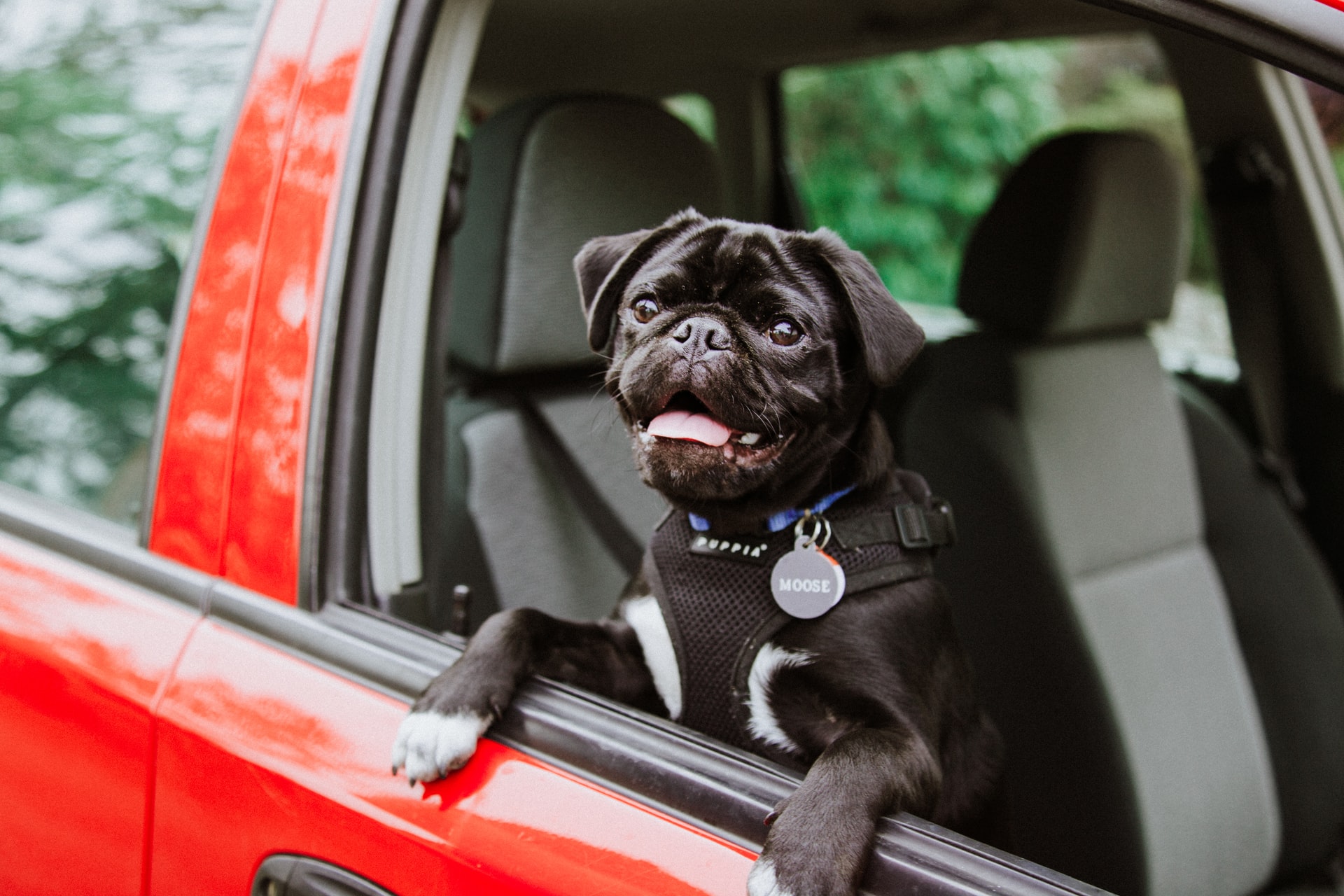
Practice what you will do in an emergency so when an emergency happens both you and your dog are calm.
What Types of Disasters Should Dog Owners Prepare For?
Your emergency plan should reflect the risks in your area, but every dog owner should consider more than just the most obvious natural disaster.
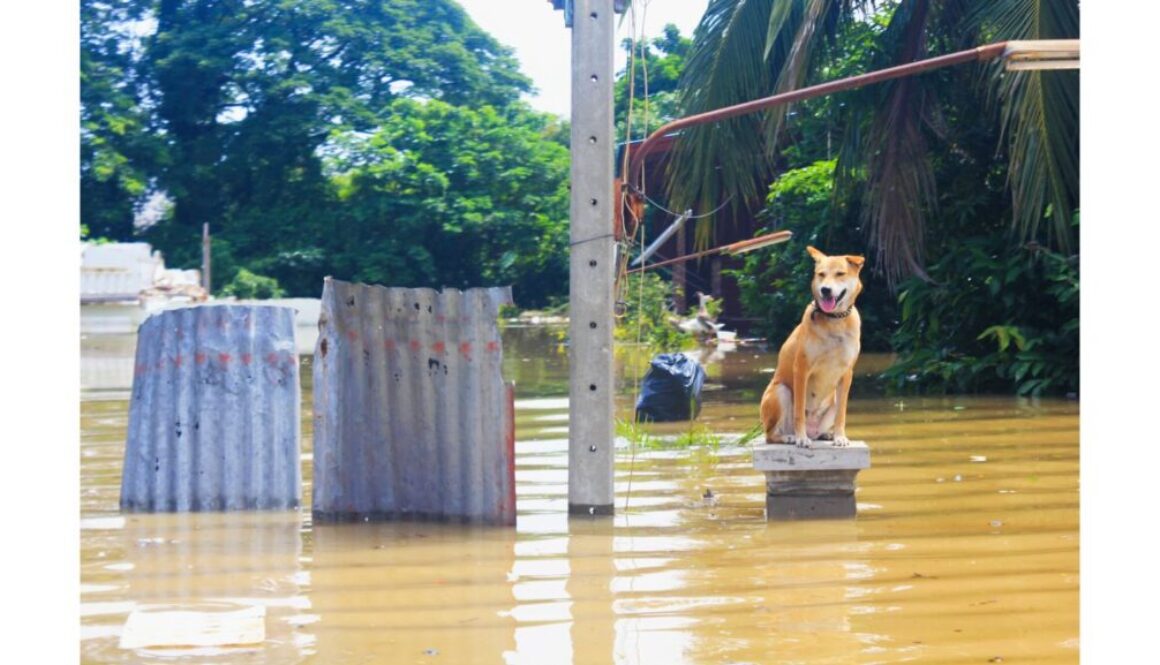
Floods
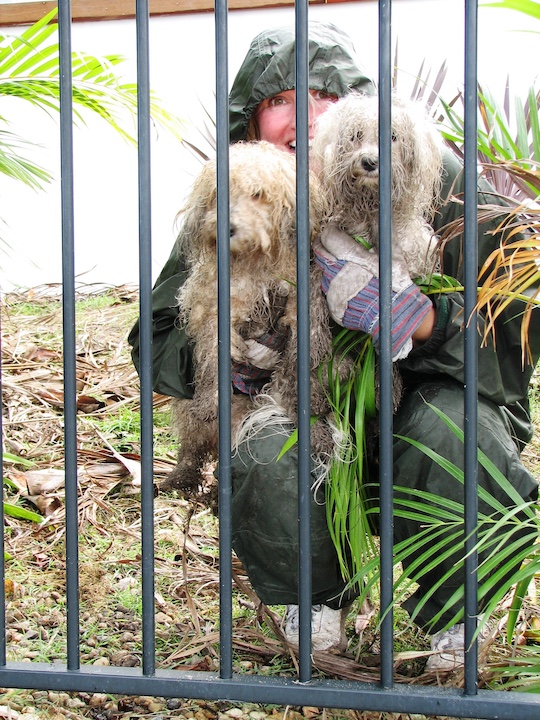
Flooding can develop rapidly, particularly after intense rainfall or storms.
Dogs can be swept away by fast-moving water, become trapped inside homes or yards, or ingest contaminated water.
Plan ahead:
- Know your local flood evacuation routes.
- Identify higher ground and safe destinations.
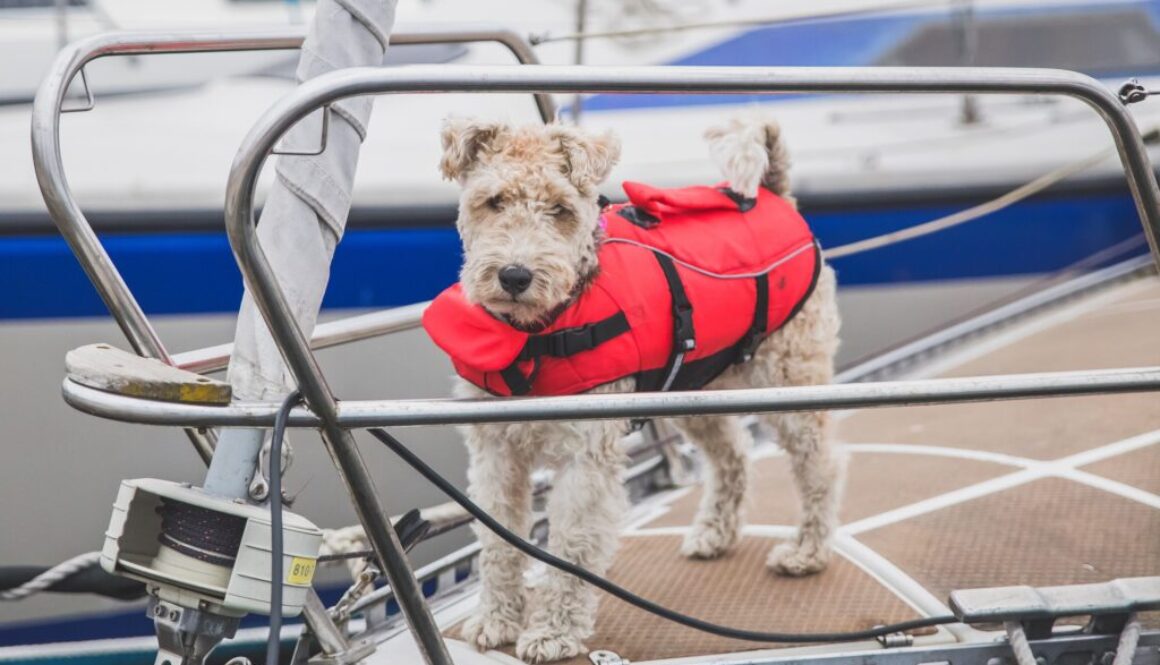
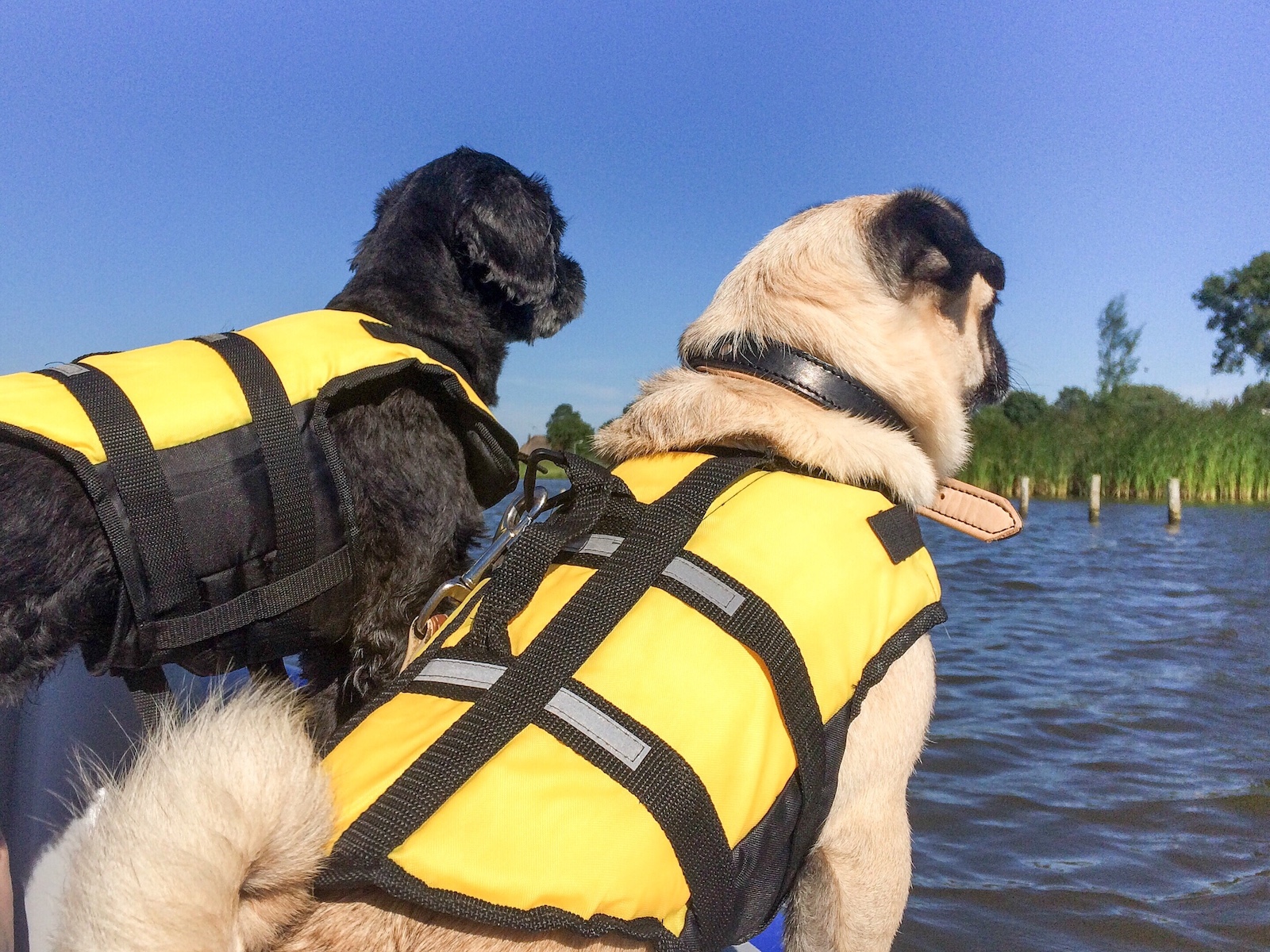
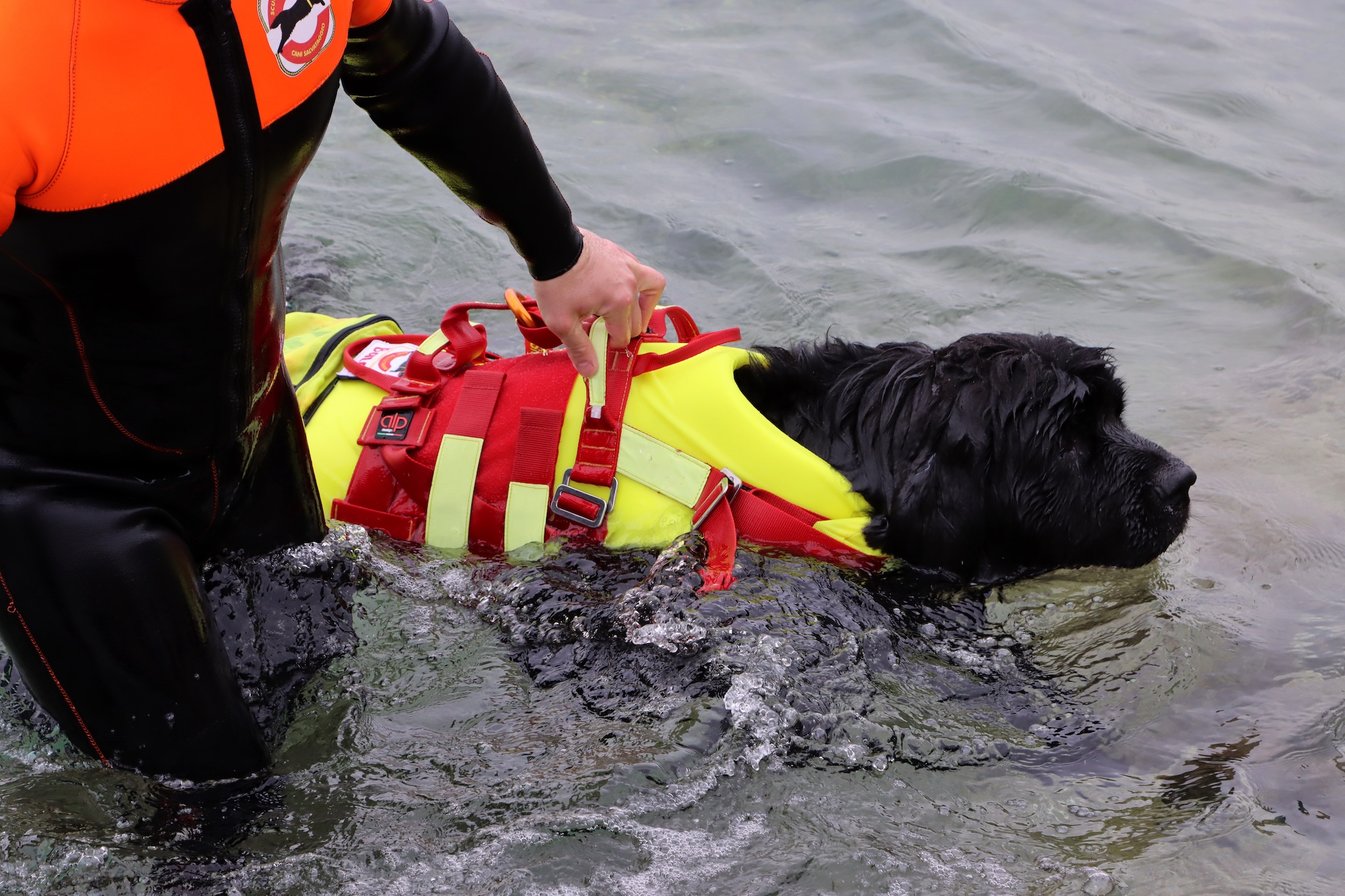
- Never assume your dog can swim safely through floodwater.
- Keep your dog inside and under control when flooding threatens.
- Never leave a dog tethered outside during an evacuation.
Bushfires and Wildfires
Fire can move frighteningly quickly.
Smoke can also create serious respiratory hazards, while evacuation routes may become congested or blocked.
Have your dog’s emergency supplies packed and ready before fire conditions become dangerous.
Keep leads, collars, carriers and emergency supplies somewhere you can reach immediately.
And make sure your dog is comfortable being handled and transported quickly.
Cyclones, Hurricanes and Severe Storms
High winds, flying debris, flooding, power outages and structural damage can all create hazards for dogs.
Bring pets indoors before conditions deteriorate.
Secure outdoor objects that could become dangerous.
Keep your dog away from windows and damaged structures.
And if authorities issue an evacuation order, take your dog with you.
The ASPCA and RSPCA’s around the world specifically advises that if a home is unsafe for people, it is unsafe for pets too.
Earthquakes
Earthquakes can cause structural damage, broken glass, falling objects and escape routes through damaged fences or doors.
Dogs can also become frightened and disoriented.
After an earthquake, keep your dog securely restrained and be alert for aftershocks and hazards such as broken glass, exposed electrical wiring and unstable structures.
Extreme Heat and Power Outages
A disaster doesn’t always look like a dramatic storm.
Extreme heat, air-conditioning failure or a prolonged power outage can become a serious emergency, particularly for vulnerable dogs.
Have a plan for:
- Safe drinking water
- Cooling
- Transport
- Medication
- Alternative accommodation
- Emergency veterinary care
Never rely entirely on electricity-dependent equipment without a backup plan.
House Fires and Other Household Emergencies
A house fire may give you almost no time to react.
Every household with a dog should know:
- Where is my dog’s lead
- Where is the carrier
- Where are my emergency supplies
- Who gets the dog out?
Consider placing a pet alert sticker near an entrance to alert emergency responders that animals may be inside.
The goal isn’t to rely on rescuers.
The goal is to get your dog out safely before the situation becomes critical.
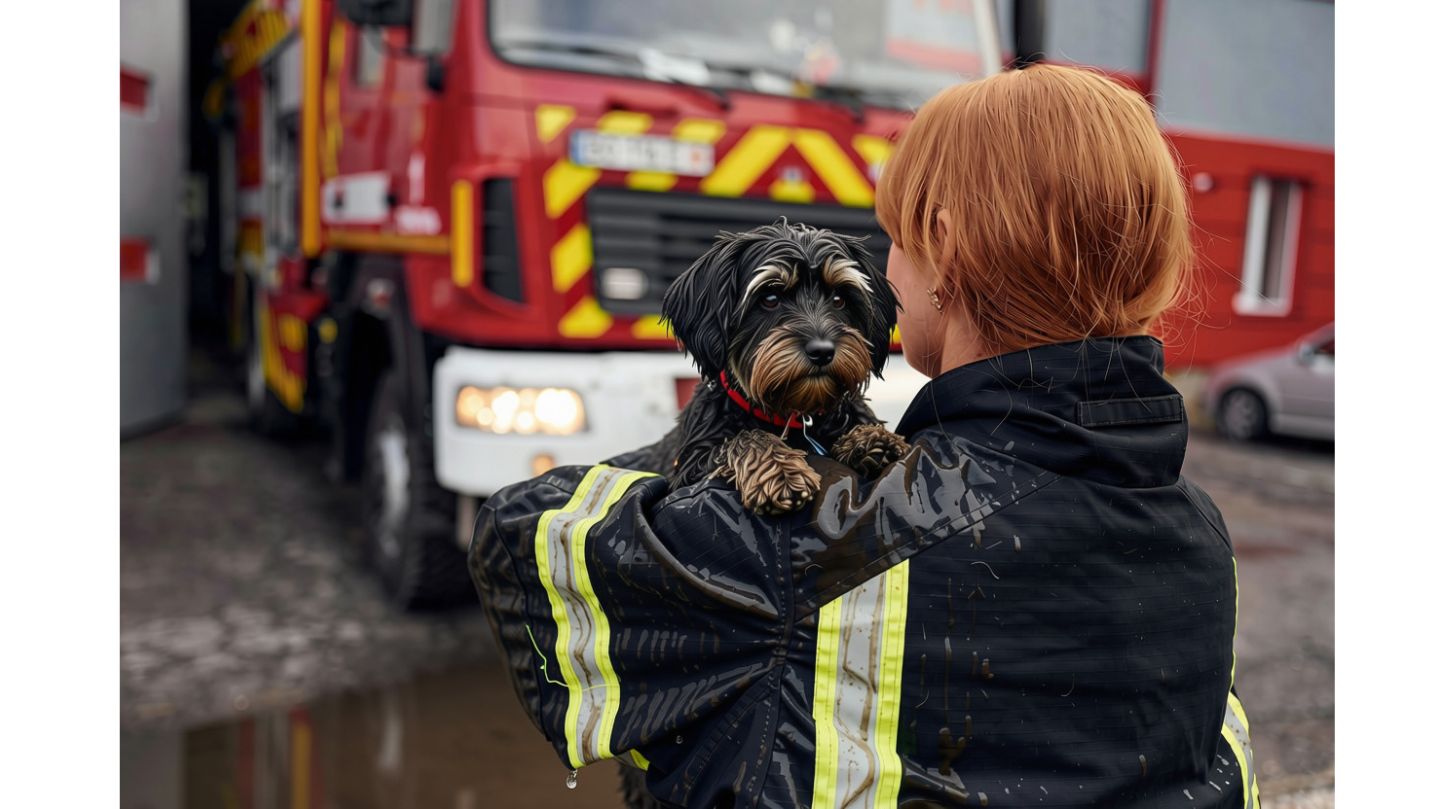
Emergency services can locate owners if your pet has i.d.
The 5-Part Dog Disaster Plan
You don’t need a complicated emergency plan. Here are some helpful tips taken from VetPet Academy’s “How To Keep Pets Disaster Safe” book – email us and we will forward the PDF to you or become a member.
You need one you can actually follow when you’re frightened, tired or under pressure.
1. Choose Your Dog’s Emergency Destinations
Identify several safe places your dog can go.
Think beyond your own home.
Ask:
- Can family or friends take my dog?
- Which local boarding facilities accept emergency bookings?
- Which hotels allow dogs?
- Where are emergency animal shelters?
- Where is the nearest veterinary hospital?
- What happens if I have to travel outside my local area?
Don’t wait until disaster strikes to make the phone calls.
Save the numbers in your phone and write them down.
2. Create a Dog Emergency Contact Network
What happens if you’re at work when an emergency occurs?
Or travelling?
Or injured?
Choose a trusted person who can access your dog and understand their routine.
Ideally, have at least two backup caregivers.
Give them:
- Your dog’s feeding instructions
- Medication information
- Veterinary contact details
- Microchip information
- Your emergency contacts
- Permission to arrange veterinary treatment where appropriate
- Information about your dog’s behaviour and special needs
A disaster plan should work even when you aren’t there.
3. Build a Dog Emergency Kit
Your dog’s emergency kit should be portable, waterproof and easy to grab.
The Australian Veterinary Association recommends including identification and ownership information, current photographs, medical records and microchip details in an evacuation kit.
Your dog emergency kit checklist
Food and water
- Several days’ supply of familiar food
- Bottled or stored drinking water
- Collapsible bowls
- Treats
Medical supplies
- Regular medications
- Copies of veterinary records
- Basic pet first aid supplies
- Your veterinarian’s contact information
Identification
- Collar
- Current ID tag
- Microchip details
- Recent photographs of your dog
- A photograph of you with your dog
Handling and transport
- Lead
- Harness
- Spare collar
- Crate or carrier if appropriate
- Towel or blanket
- Waste bags
Comfort and practical supplies
- Familiar toy
- Bedding
- Cleaning supplies
- Food storage container
- Flashlight
- Waterproof bags
Keep the kit somewhere accessible.
Not buried in the garage behind six boxes of Christmas decorations.
4. Make Identification a Priority
A frightened dog can behave completely differently from the dog you know at home.
Doors may be open.
Fences may be damaged.
Noise and unfamiliar surroundings can cause even calm dogs to run.
Make sure your dog has:
A secure collar + current ID tag + registered microchip.
And check that your microchip details are actually current.
A microchip is only useful for identification if the registration information can be connected to you.
The importance of identification becomes particularly obvious after major disasters.
Following the devastating 2011 Joplin tornado, the ASPCA sheltered more than 1,300 animals and reunited more than 500 pets with their families. Responders reported that a major obstacle was the small number of animals arriving with microchips.
That lesson has been repeated across disaster responses.
5. Know Basic Canine Emergency First Aid
Disaster preparedness isn’t just about getting your dog out.
What happens after you escape?
Your dog could suffer:
- Burns
- Cuts or wounds
- Bleeding
- Choking
- Snake bite
- Poisoning
- Heat-related illness
- Insect bites or stings
- Eye injuries
- Fractures or other trauma
- Shock
- Seizures
In an emergency, knowing what to do in the first few minutes can make a critical difference while you arrange professional veterinary care.
This doesn’t replace veterinary treatment.
It gives you the knowledge to recognise an emergency, respond appropriately and act while veterinary help is being arranged.
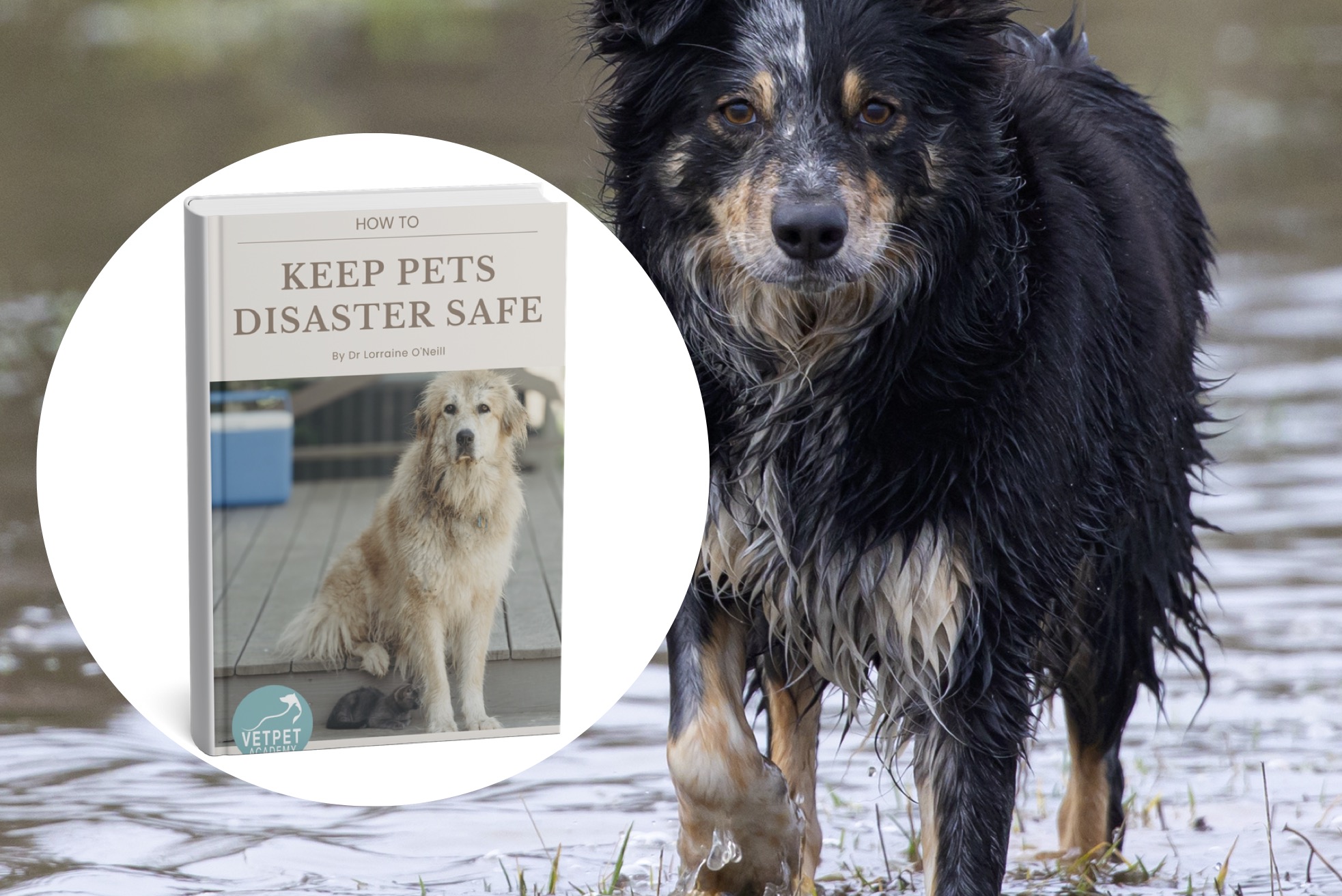
Download the free Keep Pets Disaster Safe and be prepared.
Don’t Just Own a First Aid Kit — Know How to Use It
A first aid kit is only as useful as the person holding it.
That’s why learning canine emergency first aid should be part of your disaster preparation.
The VetPet Academy Canine Emergency First Aid Course is designed to give dog owners practical knowledge for responding to emergencies.
The course covers areas including first response, canine CPR/CPCR, bleeding, burns, choking, poisoning, temperature extremes, snake bites, wounds, seizures, shock and other emergency situations.
The course is available as a stand-alone course, or you can access it as part of the VetPet Academy Membership, alongside other canine care education and resources.
Explore the VetPet Academy Canine Emergency First Aid Course
Don’t wait until your dog is injured to wish you knew what to do.
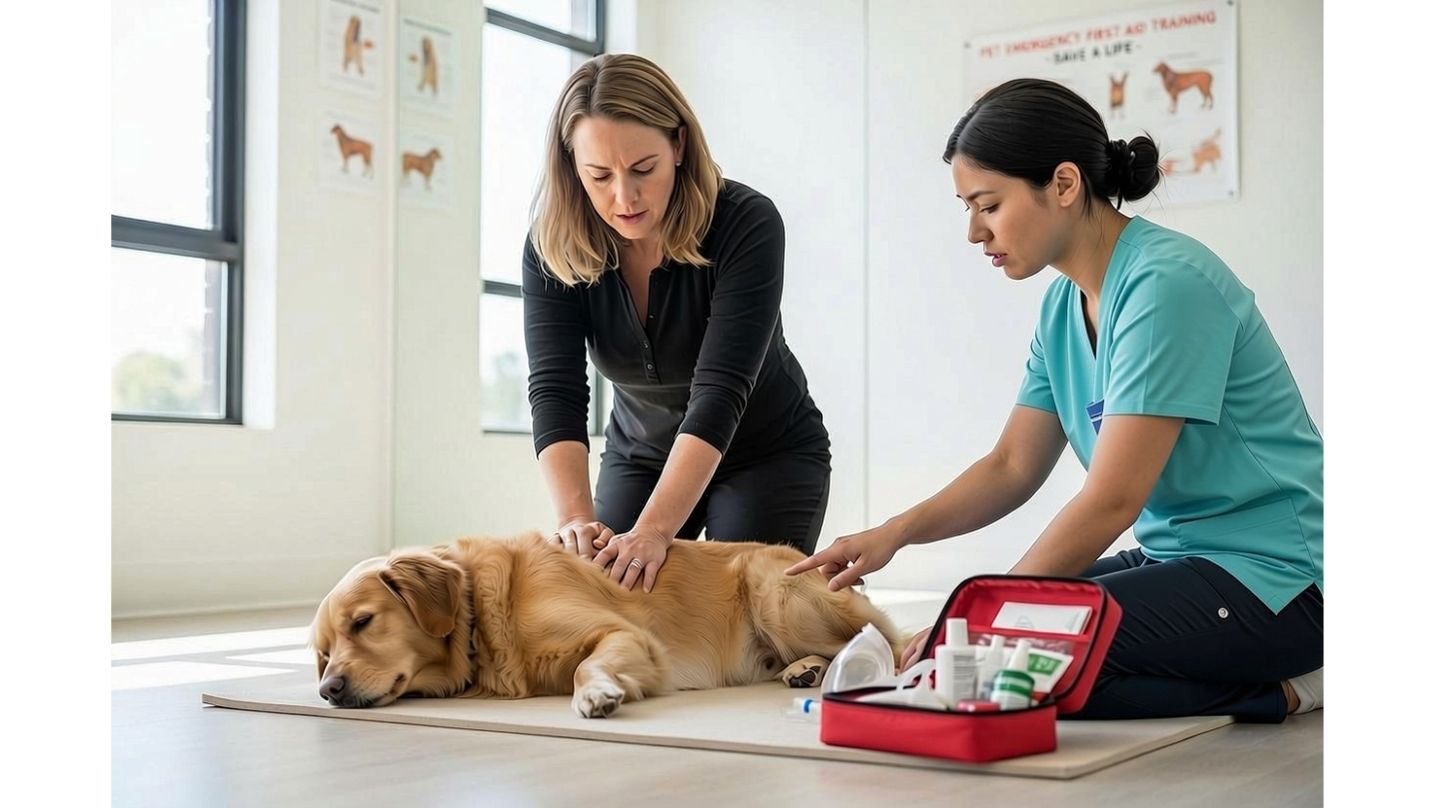
Learn emergency canine first aid.
What NOT to Do During a Disaster
Some mistakes can turn a difficult situation into a dangerous one.
❌ Don’t leave your dog behind because you expect to return quickly.
You may not be able to return.
Floods, fires and structural damage can prevent access for hours or days.
❌ Don’t wait until the last possible moment to evacuate.
Your dog may become frightened and difficult to handle.
❌ Don’t assume every emergency shelter or hotel accepts pets.
Confirm this beforehand.
❌ Don’t let your dog roam freely after a disaster.
Broken fencing, debris, unfamiliar smells and noise can cause escape.
❌ Don’t give your dog human medications unless specifically instructed by a veterinarian.
❌ Don’t enter an unsafe building to retrieve a pet.
Your safety matters too.
VetPet Academy’s guidance is unequivocal: if you’re evacuating, take your pets with you and never leave them behind, locked in their crates or tethered where they cannot escape hazards.
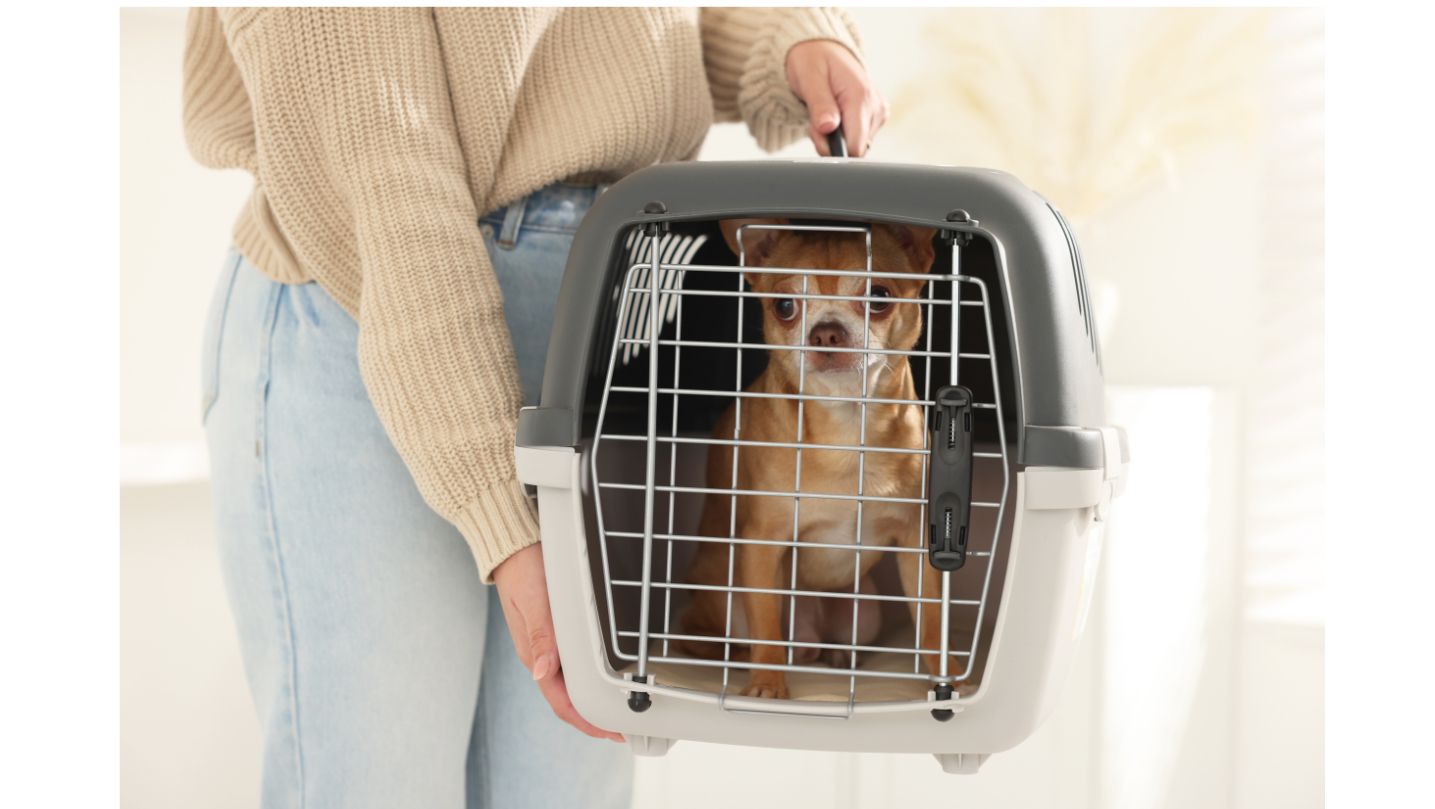
Remember to I.D your pet and your pets lead, collar and carrier (if using one).
Your Dog Can’t Make the Emergency Plan. You Can.
Your dog doesn’t know what a cyclone warning means.
They don’t understand why the smoke is coming closer.
They don’t know why everyone is suddenly packing bags.
They simply know you.
When everything around them becomes unfamiliar, you are their safety system.
That’s why dog disaster preparedness isn’t about expecting the worst.
It’s about giving yourself options when the worst happens.
And the best time to build those options is before you need them.
Start Your Dog’s Disaster Plan Today
VetPet Academy has created the Keep Your Pet Disaster Safe eBook to help pet owners understand how to prepare for emergencies including fires, floods, storms and other disasters.
It’s an easy-to-read resource with practical advice, photographs and diagrams to help you prepare before an emergency happens.
Discover VetPet Academy’s pet disaster-safety resources
And if you want to take your preparedness further, consider completing the VetPet Academy Canine Emergency First Aid Course.
You can study it as a stand-alone course, or choose the VetPet Academy Membership for access to the Academy’s broader collection of canine care courses, books and resources.
Don’t wait for the emergency alert. Prepare while your dog is safe beside you.
Build the kit. Make the plan. Learn the skills. Practice the escape.
Because when disaster strikes, being prepared could be the difference between panic and action — and between losing your dog and bringing them safely home.
The author of this blog, Dr Lorraine O’Neill, used her pets emergency plan several times in both fire and flood disasters – she understands how important a pet emergency plan is and want everyone and every pet to be safe.