
Understanding Dog Behaviour: 30 Interesting Facts
A well-behaved dog isn’t simply a dog that knows commands — it’s a dog whose needs, emotions and behaviour are understood.
Dog behaviour can sometimes be confusing, frustrating or even worrying, but many unwanted behaviours have a reason behind them. Excessive barking, destructive chewing, jumping up, pulling on the lead, digging, escaping and struggling to settle when left alone can all be influenced by factors such as boredom, excitement, frustration, fear, genetics, learned behaviour or anxiety.
The key is to look beyond the behaviour and ask “What is my dog trying to tell me?” Understanding the reason behind a behaviour is often the first step towards finding an effective solution.
Positive, reward-based dog training can help teach your dog what you do want them to do while strengthening the bond between you and your dog. Organisations including the RSPCA and the American Veterinary Society of Animal Behavior recommend reward-based approaches rather than adversive or punishment-based training methods.
If your dog suddenly develops a new behaviour, shows signs of significant anxiety, becomes destructive when left alone, repeatedly tries to escape, or displays behaviour that could put themselves or other people at risk, it is important to speak with your veterinarian. Behaviour changes can sometimes have an underlying medical component, and professional behavioural support may be appropriate.
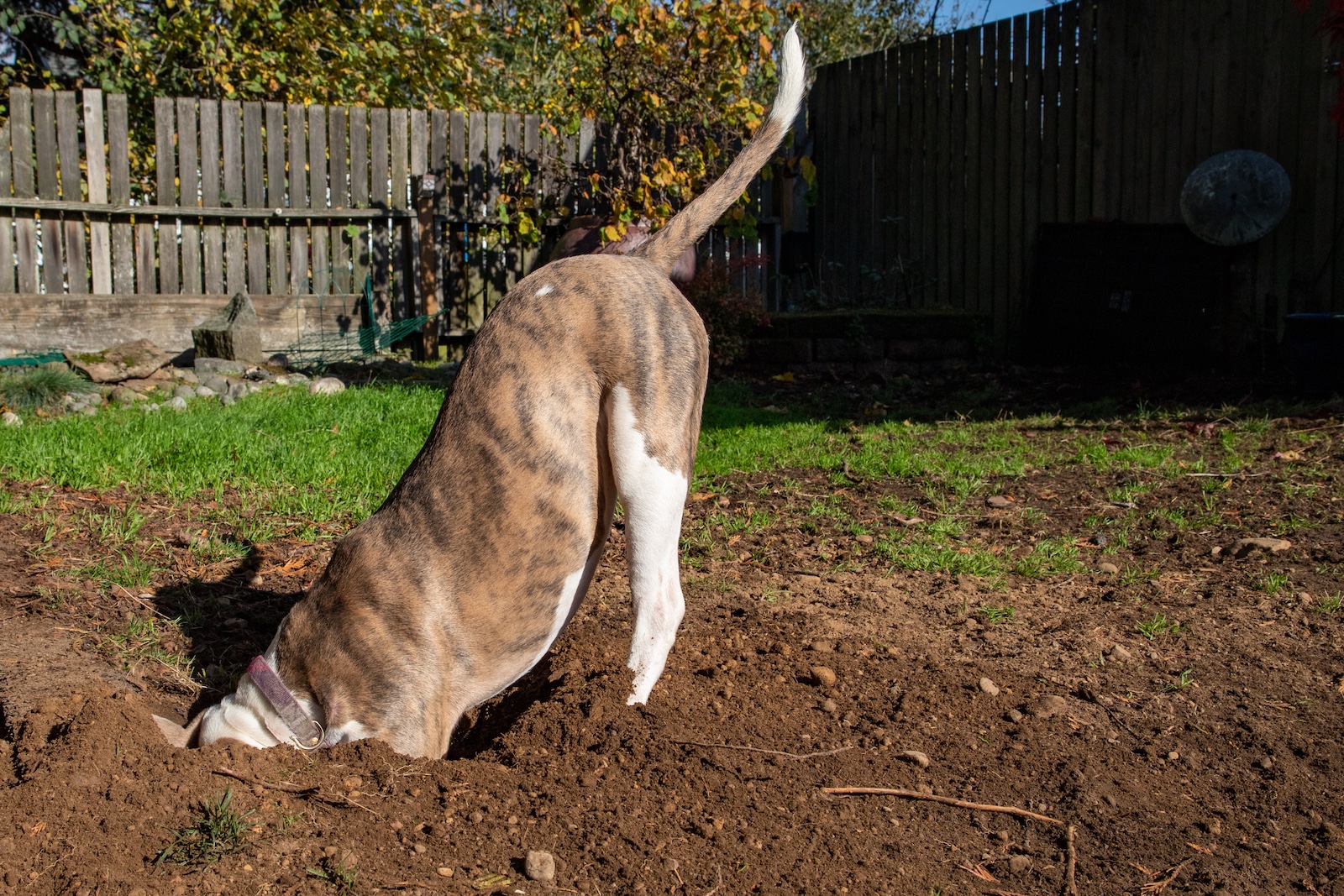
Many ‘bad’ behaviours are ‘normal’ in the dog world.
I’ve put together a detailed table with 30 interesting and engaging dog behaviour facts, covering common behaviour topics such as separation anxiety, chewing, barking, running away, jumping, pulling on the lead. Each entry includes a behaviour, a possible cause, and a hint to solve the issue.
My goal is to both provide information and offer practical tips without repeating any facts.
Behaviour |
Why It Happens |
Hint to Solve It |
|
Does your dog dig up your garden? |
Boredom or instinct (some breeds love to dig). |
Provide puzzle toys or a designated digging pit filled with treats. |
|
Is your dog constantly barking when you leave? |
Separation anxiety and loneliness. |
Try leaving an item of your clothing with your scent behind and practice short absences. |
|
Is your dog chewing everything in sight? |
Teething, stress, or lack of stimulation. |
Offer appropriate chew toys and rotate them regularly to keep it exciting. |
|
Does your dog bolt out the door the second it opens? |
High prey drive or lack of impulse control. |
Teach a strong “stay” at the door using positive reinforcement. |
|
Is your dog barking at every passing car or person? |
Territorial behaviour or alertness. |
Train a “quiet” command and reward calm behaviour with treats. |
|
Does your dog jump up to greet guests? |
Excitement and seeking attention. |
Teach a “sit to greet” behaviour and only reward calm sits. |
|
Is your dog pulling your arm off during walks? |
Excitement or poor leash manners. |
Use a front-clip harness and stop walking when the leash tightens to teach loose-leash walking. |
|
Is your dog chewing walls or furniture when alone? |
Anxiety or boredom. |
Use calming music or dog TV and increase daily physical activity. |
|
Does your dog bark when left in the crate? |
Crate may be associated with isolation. |
Make the crate a positive space with treats and toys; build up crate time gradually. |
|
Is your dog escaping your yard? |
Curiosity or searching for a mate. |
Ensure physical barriers are secure and provide more mental stimulation indoors. |
|
Does your dog howl when alone? |
Vocal expression of stress or loneliness. |
Try interactive toys like treat-dispensing puzzles during your absence. |
|
Is your dog jumping on the couch uninvited? |
Looking for comfort or elevation. |
Provide a comfy dog bed and reward them for using it. |
|
Does your dog bark at nothing? |
Dogs hear and smell things we can’t. |
Redirect attention with training exercises like “find it” games. |
|
Is your dog shredding paper or pillows? |
Stress relief or boredom. |
Introduce shredding-safe toys like snuffle mats to channel the behaviour. |
|
Does your dog chase joggers or bikes? |
Prey drive or lack of impulse control. |
Train a “look at me” command to redirect attention before chasing starts. |
|
Does your dog cry when you pick up your keys? |
Anticipation of being left alone. |
Desensitize by picking up keys randomly and not leaving each time. |
|
Is your dog pacing when you’re away? |
Anxiety or excess energy. |
Use a camera to observe, then try calming supplements or professional training. |
|
Does your dog chew their leash during walks? |
Overstimulation, excitement, play or frustration. |
Increase distance from exciting triggers, reward for walking calmly or redirect biting attention with a toy or treat. |
|
Is your dog mouthing your hands? |
Play behaviour or teething. |
Teach bite inhibition by yelping and stopping play when it happens. |
|
Does your dog jump into guests’ laps uninvited? |
Seeking affection or lack of boundaries. |
Train a “place” command where your dog stays during visits. |
|
Is your dog barking in the car? |
Excitement or car anxiety. |
Practice calm car entry/exit and reward quiet behaviour during drives. |
|
Does your dog nip at heels when people walk away? |
Herding instinct. |
Redirect to a toy and teach a “leave it” or “settle” cue. |
|
Does your dog whine when you’re out of sight? |
Early signs of separation anxiety. |
Use gradual desensitization to increase tolerance to being alone. |
|
Is your dog reactive on leash? |
Frustration or fear-based reactivity. |
Use distance, high-value treats, and counter-conditioning techniques. |
|
Does your dog constantly lick you? |
Affection, anxiety, or grooming behaviour. |
Reward calm behaviour and give them alternative ways to engage with you. |
|
Is your dog obsessed with shadows or lights? |
Compulsive behaviour or boredom. |
Increase mental enrichment and consult a vet if it becomes excessive. |
|
Does your dog act out more when you’re busy or distracted? |
Attention-seeking behaviour. |
Schedule regular, focused play and training sessions each day. |
|
Is your dog possessive over toys or food? |
Resource guarding. |
Practice “trade” games using high value treats to build trust. |
|
Does your dog act hyper after walks instead of tired? |
Walks might be under-stimulating mentally. |
Incorporate sniffing breaks and obedience cues to engage their brain. |
|
Does your dog panic during thunderstorms or fireworks? |
Noise phobia. |
Use white noise, pressure wraps, and create a safe, cozy den-like space. |
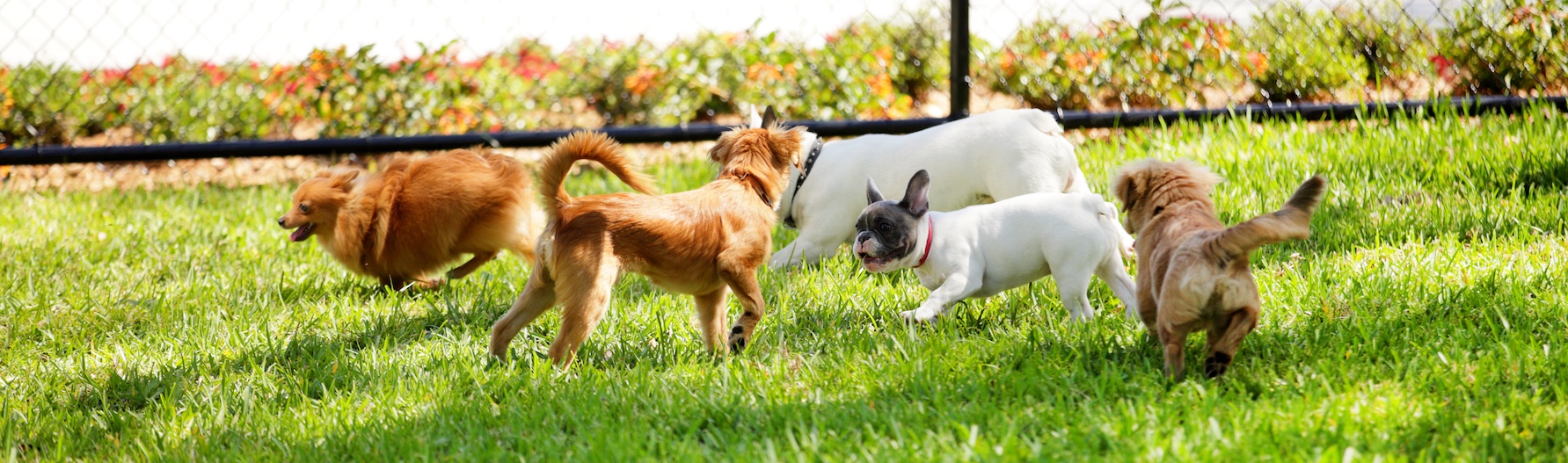
Understanding and having the ability to read into dog behaviours is a very important part of dog ownership.
Keep Learning About Your Dog
This list is just the beginning. VetPet Academy will be publishing more detailed information on individual dog behaviour traits, common training challenges and practical training solutions in upcoming blog posts.
From separation anxiety and excessive barking to loose-lead walking, recall training, jumping up, chewing, digging and destructive behaviour, our future articles will explore the reasons behind these behaviours and provide dog owners with practical, positive ways to help their dogs.
So, if you want to better understand your dog and build a happier, more rewarding relationship together, keep checking the VetPet Academy dog blog for our upcoming dog behaviour and training guides.