Dog Coats : How to Get the Fit Right and Keep Your Dog Comfortable
A dog coat can look adorable, but the wrong fit can turn useful protection into an uncomfortable—and potentially unsafe—piece of equipment. Whether your dog needs warmth, rain protection or extra support in the water, choosing and fitting the right gear matters.
From tiny dogs shivering on a cold wet day to active dogs heading out for a winter walk, dog coats can have a genuine purpose. But not every dog needs a coat, and no dog should be forced to wear one simply because it looks good.
This guide explains how to fit a dog coat, the different types of dog coats, their pros and cons, and how to choose and fit a dog coat.
Important: Clothing should never replace supervision, appropriate environmental management or veterinary advice. If your dog shows signs of being excessively cold (hypothermia), distress, overheating (hyperthermia), fatigue or difficulty breathing, remove the gear and seek appropriate help.
If you want to know more VetPet Academy’s Canine Emergency First Aid Course provides training for temperature extremes – hypothermia or hyperthermia – in dogs.
Do Dogs Really Need Coats?
The answer is: sometimes.
Dogs vary enormously in their ability to cope with cold and wet weather. Small, fine-coated, hairless, elderly or particularly cold-sensitive dogs may benefit from additional protection. Dogs with thick insulating coats may need much less assistance.
A dog coat can also provide practical protection from rain, mud and wind.
However, a coat isn’t automatically beneficial simply because the temperature has dropped. A dog that is comfortable without one may not need additional clothing.
Veterinary and animal-welfare guidance also stresses the importance of avoiding overheating (hyperthermia), restrictive clothing and poor-fitting garments.
Dogs that may benefit from a coat
Consider your individual dog’s:
- Breed and coat type
- Body size and body condition
- Age
- Health and mobility
- Activity level
- Weather conditions
- Individual tolerance of cold
- Length and intensity of the outing
If you’re uncertain whether your dog needs extra warmth, ask your veterinarian for advice specific to your dog’s health and circumstances.
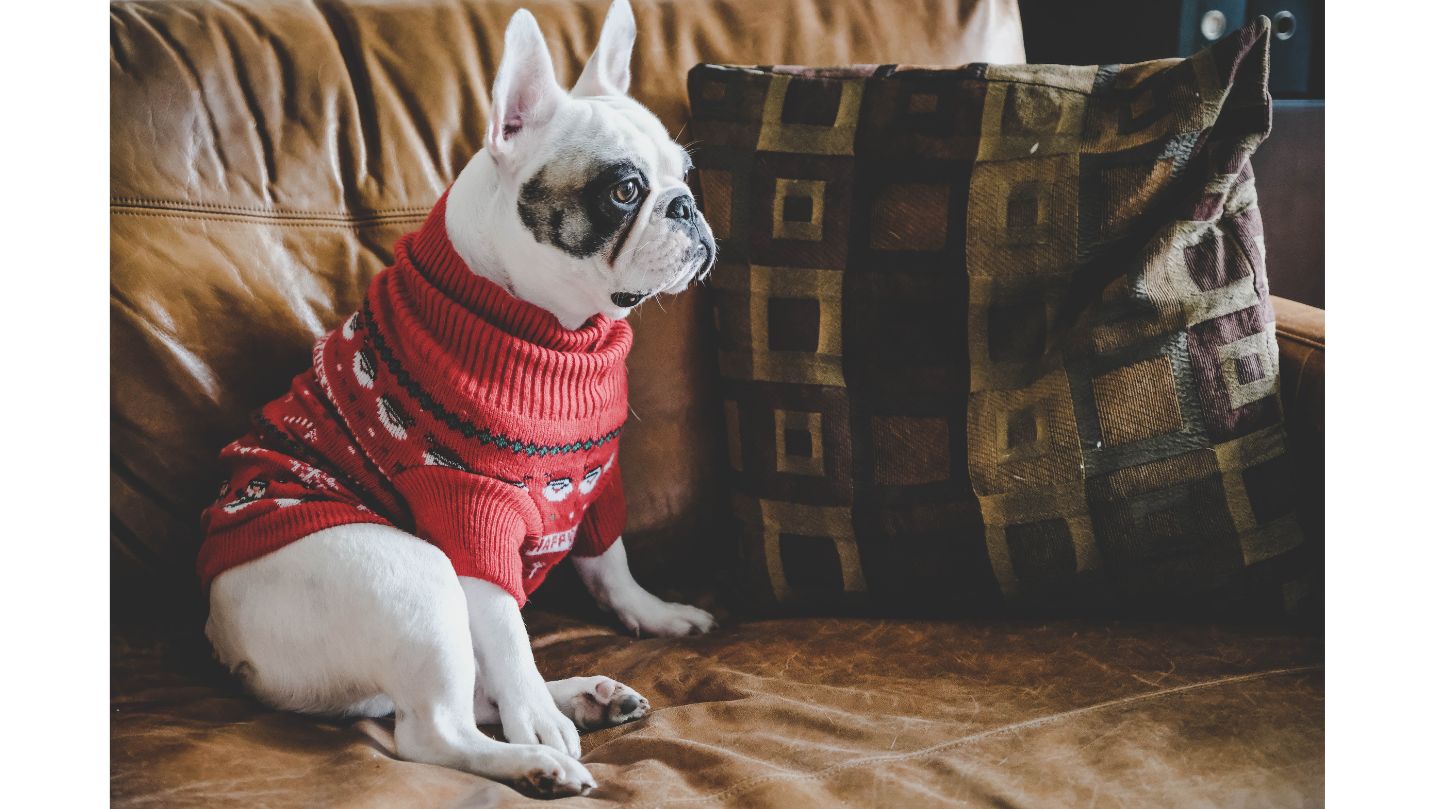
Some dogs may feel the effects of weather extremes more than others.
The Different Types of Dog Coats and Why They’re Worn
Not all dog coats serve the same purpose. Choosing the right type is just as important as choosing the right size.
1. Lightweight Dog Jackets
A lightweight jacket provides a little extra warmth without the bulk of a heavy winter coat.
Best for: Cool weather, short walks and dogs that become chilly easily.
Pros:
- Lightweight
- Easy to put on and remove
- Less bulky than insulated coats
- Suitable for mild conditions
Cons:
- May provide insufficient protection in very cold weather
- Can become uncomfortable if your dog overheats
- Not necessarily waterproof
2. Insulated or Winter Dog Coats
These coats are designed to provide greater warmth and are particularly useful for dogs that struggle with cold conditions.
Best for: Cold weather and dogs with limited natural insulation.
Pros:
- Greater warmth
- Useful for cold-sensitive dogs
- Can make outdoor activities more comfortable
Cons:
- Can cause overheating if used unnecessarily
- Bulk can restrict movement if poorly designed or fitted
- May require more cleaning and maintenance
A dog should still be able to walk, run, play, sit and toilet normally while wearing a coat.
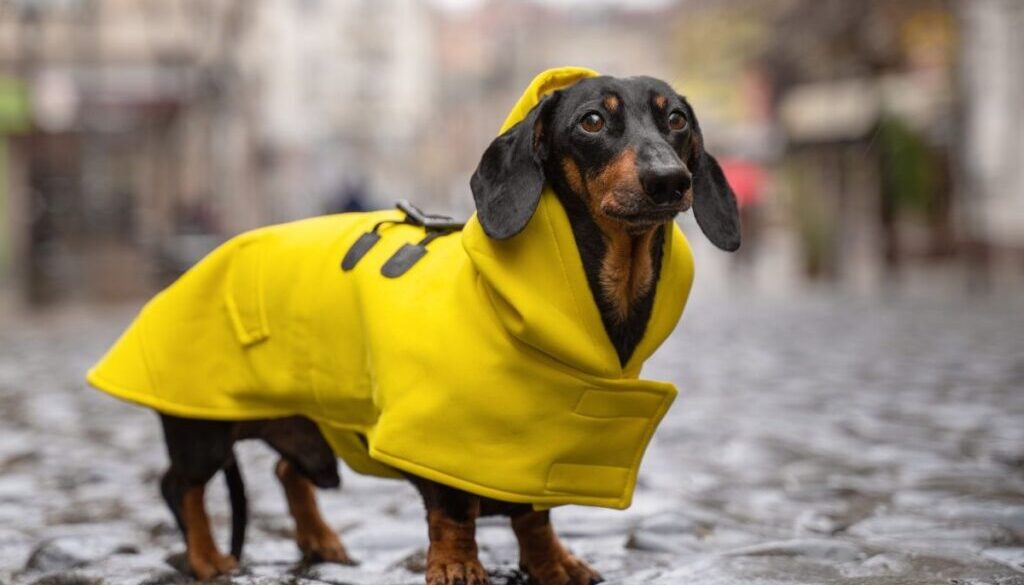
3. Dog Raincoats
Raincoats are designed primarily to protect the dog’s coat and body from rain and wet conditions.
They can be particularly useful for dogs that dislike getting wet or for owners who want to reduce the amount of drying and grooming required after a rainy walk.
Pros:
- Helps keep the coat dry
- Can reduce mud and wetness
- May make rainy walks more comfortable
- Useful in wet climates
Cons:
- Doesn’t necessarily provide warmth
- Some dogs dislike the sensation or sound of waterproof fabric
- Can trap heat if worn unnecessarily
4. Snowsuits and Full-Body Dog Coats
These provide more extensive coverage, sometimes including the legs.
Best for: Very cold environments and dogs that require more comprehensive protection.
Pros:
- Greater coverage
- More protection from cold and wet conditions
- Useful for some lean or hairless dogs
Cons:
- More restrictive than a simple coat
- More difficult to put on
- Some dogs need considerable training to accept them
5. Cooling Vests
Cooling garments are designed for warm-weather management rather than cold protection.
They’re sometimes used during outdoor activities, but they shouldn’t be treated as a substitute for shade, water, rest and sensible exercise planning.
Key point: Heat management is individual. If your dog is showing signs of heat stress, don’t rely on clothing to solve the problem—stop activity and seek veterinary advice.
The Pros and Cons of Dog Coats at a Glance
Benefits
- Adds warmth when genuinely needed
- Helps protect against rain
- Can reduce mud and wetness
- May improve comfort in cold weather
- Can provide extra protection for some dogs
- Can improve visibility with reflective details
Potential drawbacks
Can cause overheating
Some dogs find coats stressful
Poor fit can restrict movement
Loose coats can snag or become hazardous
Requires regular cleaning
Not suitable for every dog
The golden rule is simple:
A dog coat should improve your dog’s comfort and safety—not compromise it.
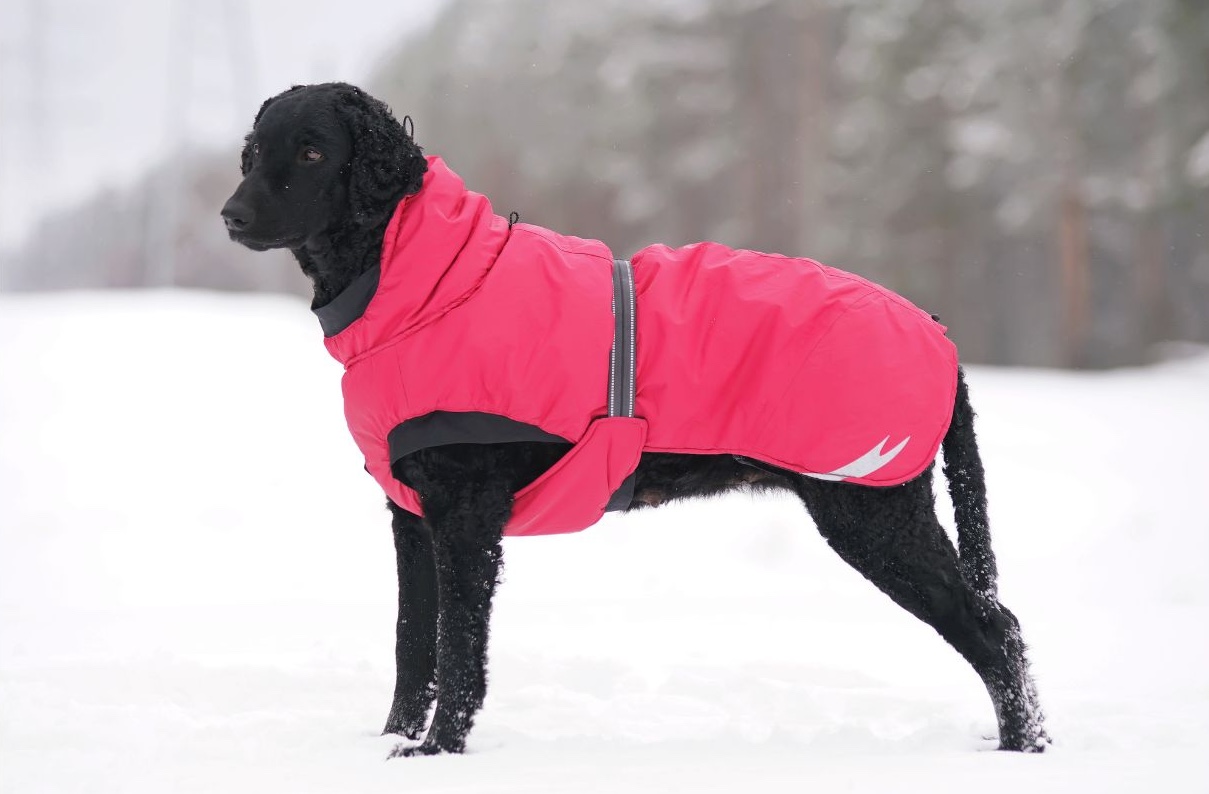
Use the correct coat type for the right environment.
How to Fit a Dog Coat Correctly
Getting the right fit is one of the most important parts of choosing dog clothing.
Before buying, check the manufacturer’s measurement instructions. Common measurements include back length and chest girth, although sizing systems differ between brands.
Step 1: Measure your dog
Use a soft measuring tape.
Measure according to the manufacturer’s instructions, paying particular attention to:
- Chest girth
- Neck circumference
- Back length
- Weight, if required by the manufacturer
Don’t assume that your dog’s usual clothing size will be the same across brands.
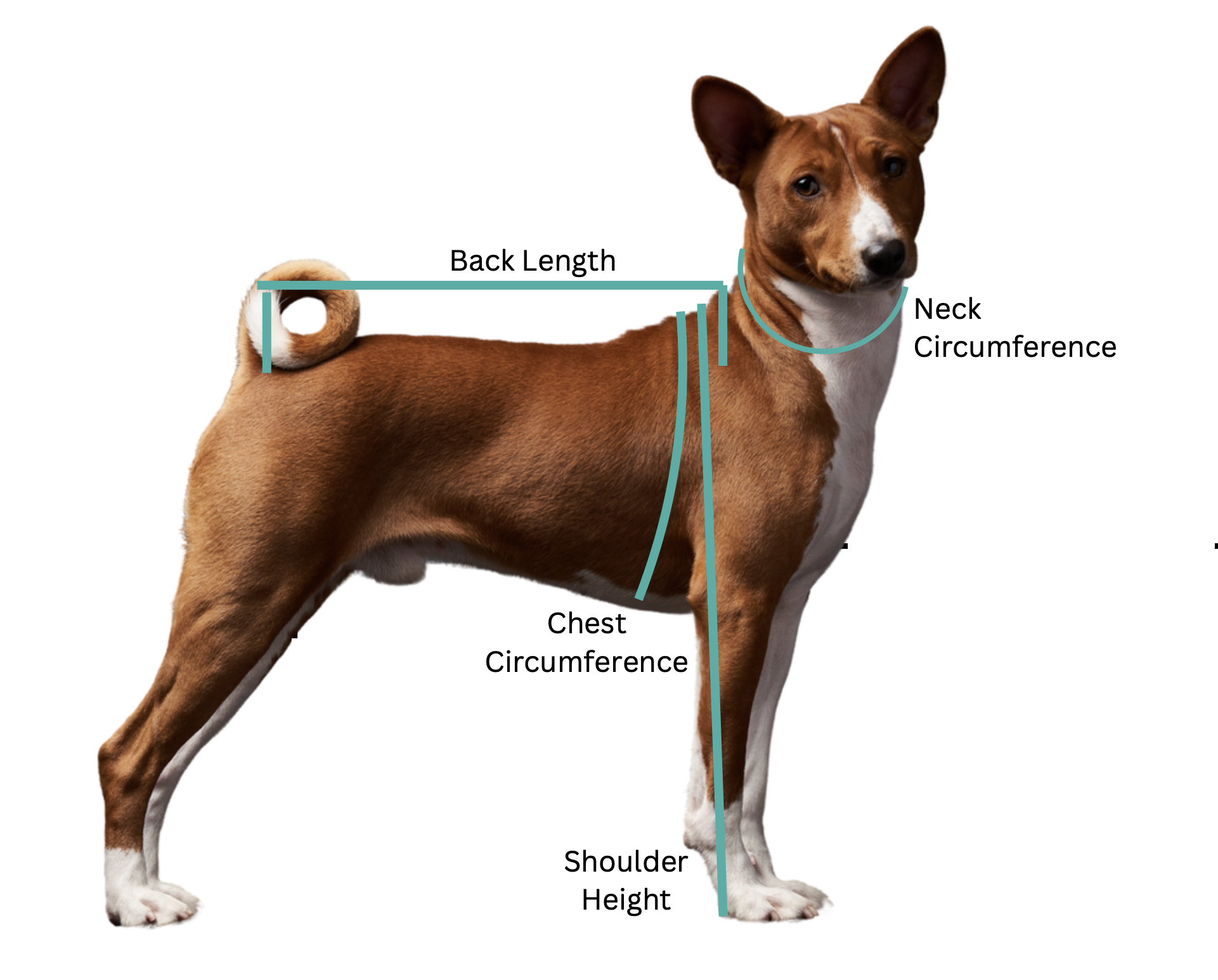
Check your dogs measurements – even dogs of the same breed can be different sizes.
Step 2: Put the coat on calmly
Don’t rush.
If your dog is worried about the coat, introduce it gradually. Let them sniff it, reward calm investigation, then progress to briefly placing it against their body.
Positive reinforcement can help dogs build a more comfortable association with clothing.
Step 3: Check the neck
The coat should sit securely without pressing tightly against the neck.
You should never need to force the garment into position.
Step 4: Check the chest and abdomen
The coat should be secure without restricting normal breathing or movement.
A coat that is too tight can rub or restrict movement. One that is too loose may shift, catch on objects or become a tripping or entanglement hazard.
Step 5: Watch your dog’s movement
This is your best real-world test.
Ask yourself:
- Can my dog walk normally?
- Can they sit and lie down?
- Can they turn their head?
- Can they toilet comfortably?
- Can they move their legs freely?
If the answer is no, reassess the fit.
Step 6: Watch your dog’s behaviour
Don’t assume a dog is comfortable simply because they aren’t actively fighting the coat.
Look for changes such as:
- Freezing or refusing to move
- Excessive scratching
- Trying repeatedly to remove the coat
- Hunched or unusual posture
- Panting when the environment isn’t hot
- Avoidance or obvious distress
If your dog is uncomfortable, remove the coat and take a step back in the introduction process.
The Two-Finger Fit Check
For adjustable clothing and straps, a useful general check is whether you can comfortably slide approximately two fingers underneath the strap without excessive pressure while checking that the garment isn’t so loose that it shifts excessively.
Most reputable dog coat manufacturers such as Weatherbeeta provide online measurement guides that may also relate to size and breed.
Remember that this isn’t a universal sizing rule for every garment. Always follow the manufacturer’s fitting instructions.
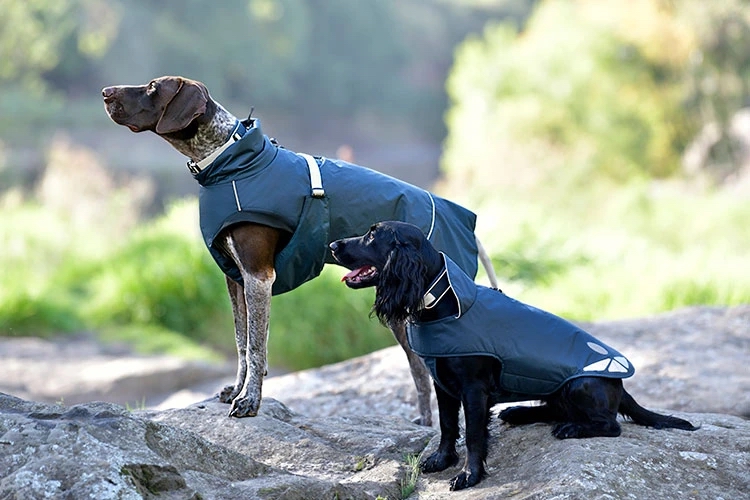
Reputable companies like Weatherbeeta provide size guides.
Coat Safety: What Owners Often Forget
A good fit is only part of the equation.
Don’t leave your dog unattended in clothing
Dogs can become caught or tangled in loose garments.
Supervise your dog while they’re wearing unfamiliar clothing, particularly when they’re playing, interacting with other animals or in an environment containing obstacles.
Don’t let a coat become a substitute for monitoring temperature
A coat can make a cold-sensitive dog more comfortable, but it can also contribute to overheating.
Check your dog regularly rather than relying solely on the weather forecast.
Keep coats clean and dry
Damp, dirty clothing can become unpleasant against the skin.
Follow the manufacturer’s washing instructions and make sure the coat is properly dried before storing or wearing it again.
Don’t force the issue
If your dog strongly dislikes wearing clothing, forcing them into it can create unnecessary stress.
Instead, use gradual exposure and positive reinforcement.
Your Dog Gear Fitting Checklist
Before heading outside, ask:
-
Does the coat fit securely?
-
Can my dog breathe normally?
-
Can they walk and move freely?
-
Can they sit, lie down and toilet comfortably?
-
Are there any rubbing points?
-
Is the equipment appropriate for today’s weather or activity?
-
Is my dog comfortable wearing it?
-
Is the equipment clean and in good condition?
-
Am I supervising my dog?
If you can’t confidently answer these questions, stop and reassess before continuing.
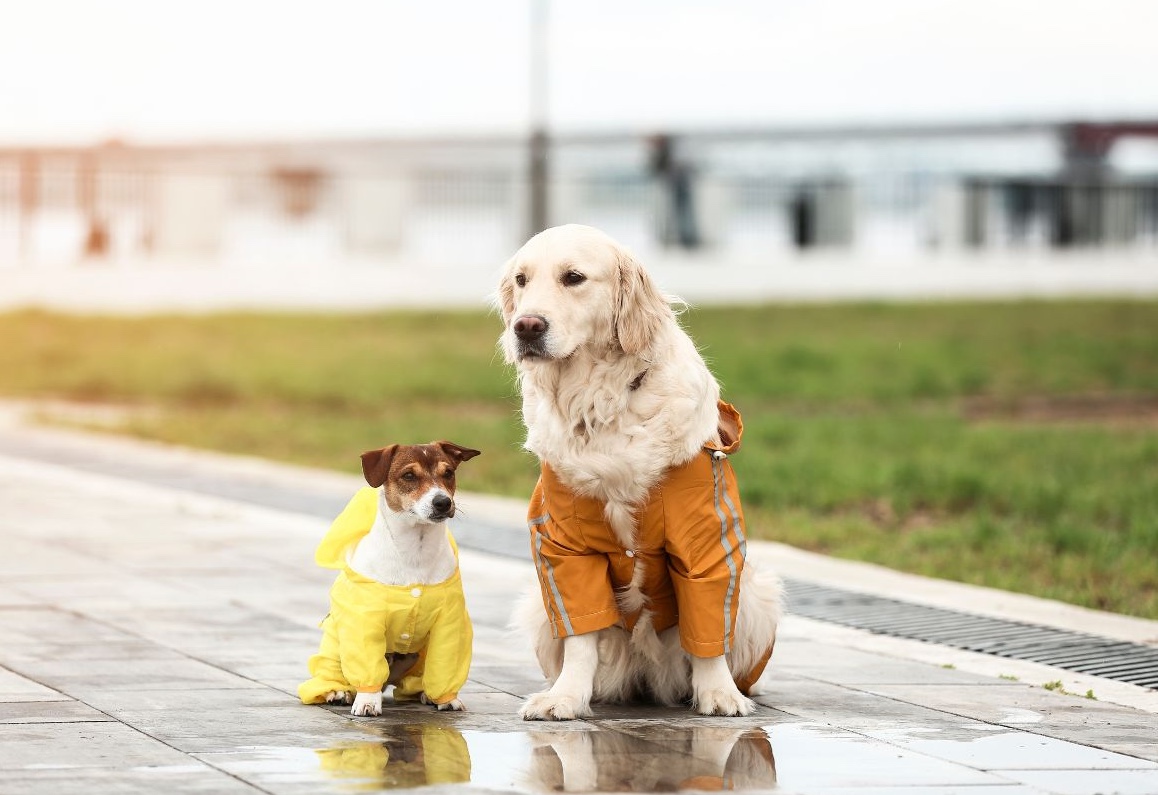
A badly fitted coat can be uncomfortable for the dog and defeat the purpose for using one.
Final Takeaway: Fit First, Fashion Second
Dog coats can be genuinely useful pieces of canine equipment—but only when they’re appropriate, correctly fitted and accepted by the dog.
The perfect dog coat isn’t necessarily the thickest, most expensive or most fashionable option.
It’s the one that suits your dog’s individual needs, fits correctly and allows them to behave naturally and comfortably.
Not all dog breeds need coats – but all dogs in coats need sensible supervision!
Want to Build Your Dog-Care Skills With More Confidence?
Knowing how to fit equipment is just one part of responsible dog care.
At VetPet Academy, you can explore practical, expert-led education covering canine care, behaviour, emergency pet first aid and other skills designed to help owners and pet professionals make better-informed decisions.
Explore VetPet Academy courses and resources such as:
- Dog First Aid: What Every Dog Owner Should Know
- Understanding Canine Body Language
- Canine Behaviour and Stress Signals
- Pet Emergency Preparedness
- Canine Massage and Wellness
- Dog Exercise and Injury Prevention
- Dog Life Jackets: Do dogs need life jackets?
Ready to become more confident in caring for your dog? Explore VetPet Academy and start building practical canine-care knowledge today.